A cable entry frame gives you a simple way to organize and protect cables as they pass into electrical panels or industrial enclosures. You want your cables to stay safe from dust, moisture, and strain. Good cable management keeps your workspace neat and helps prevent accidents. With a reliable cable entry frame, you make your setup safer and more efficient.
Tip: Using cable entry systems helps you avoid tangled wires and keeps everything running smoothly.
Key Takeaways
- Cable entry frames organize and protect cables, keeping them safe from dust and moisture.
- Installation is quick and easy, saving time and space compared to traditional methods.
- These frames allow for future upgrades, making it simple to add or change cables without hassle.
- Using cable entry frames improves safety and reduces the risk of accidents in your workspace.
- Choosing the right frame ensures your cables stay secure and your setup remains professional.
Cable Entry Frame Basics
What Is a Cable Entry Frame
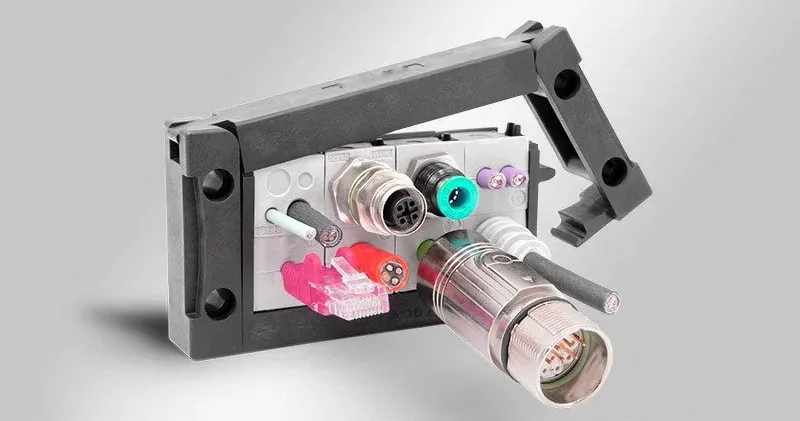
You need a way to bring cables into your electrical panels or machines without making a mess or risking damage. That’s where a cable entry frame comes in. This device creates a safe, organized opening for cables to pass through walls or enclosures. You get a neat entry point that keeps out dust, water, and other hazards. The main purpose of a cable entry frame is to protect your cables and make your setup look professional. If you want to keep your data and power lines safe, this is a smart solution.
Key Components and Materials
A cable entry frame works because of its smart design. You’ll find several key parts inside:
- Frame: The outer structure that holds everything together.
- Sealing Modules or Grommets: These flexible pieces grip each cable tightly, blocking out dirt and moisture.
- Mounting Hardware: Screws or clips that secure the frame to your panel or wall.
Each part plays a role in performance. Sealing modules and grommets give you a tight seal, which keeps your data and power lines safe from hazards. Some frames use advanced technology, like Multidiameter™ seals, to fit different cable sizes. This means you can add or change cables without hassle.
You also want to know what your cable entry frames are made of. Most use tough materials like PA (polyamide), which stands up to harsh environments. Here’s a quick look at common materials and their durability:
| Material | Durability Rating |
|---|---|
| PA | IP54 / UL 12 |
You can trust these frames to last, even in demanding settings.
Cable Entry Frame vs. Other Solutions
You might wonder how cable entry frames compare to traditional cable glands or other entry systems. Let’s break it down:
| Feature | Cable Entry Frames | Traditional Cable Glands |
|---|---|---|
| Installation Efficiency | Requires a single opening, reducing time and space. | Requires multiple steps for each cable. |
| Space Requirements | Up to 80% less space needed. | Requires considerable installation space. |
| Cable Handling | Accommodates both terminated and unterminated cables. | Primarily designed for unterminated cables. |
| Future Scalability | Supports easy addition of cables. | Limited scalability; often requires re-drilling. |
| Environmental Protection Ratings | Up to IP66 and NEMA 4X. | Similar ratings but less efficient installation. |
You get more than just a tidy look. With cable entry frames, you save time and money. You can install them with standard tools and fit many cables in a small space. If you need to add more data or power lines later, you won’t have to start over. You can even route cables with connectors attached, which protects warranties and saves effort.
Tip: Cable entry frames can reduce installation time by up to 80% and save up to 70% in space compared to old-school methods.
If you want a flexible, future-proof solution for your data and power needs, cable entry frames are the way to go.
How Cable Entry Frames Work
Cable Routing and Sealing
When you bring cables into a control panel or enclosure, you want them to stay organized and protected. Cable entry frames make this easy. You can route many cables through a single opening, which keeps your workspace neat and reduces clutter. The frame holds each cable in place, so you don’t have to worry about tangled wires or messy setups.
Sealing is just as important as routing. You want to keep out dust, water, and other hazards that could damage your equipment or disrupt your data. Cable entry frames use smart sealing methods to protect your connections. Here’s a quick look at the most common ways to route and seal cables:
| Method | Description |
|---|---|
| Cable Entry Grommets | Tubes of rubber or metal that protect and seal cables, available in various types for different needs. |
| Cable Glands | Devices that secure and protect cables, suitable for various applications based on their material. |
| Cable Entry Boxes | Enclosures that can include self-sealing diaphragms or threaded areas for mounting cable glands. |
| Cable Entry Frames | Structures that fit around cables to protect them, available in various sizes and designed for safety. |
You get strong protection with cable entry frames. They often come with high IP ratings, which means they block out dust and water very well. Here’s what you should know about IP ratings:
- IP ratings show how well a product keeps out dust and moisture.
- Higher IP ratings, like IP68, mean better protection. This is important for outdoor or industrial use.
- The first digit in the IP rating tells you how well it blocks dust.
- The second digit shows how well it keeps out water.
If you want to keep your data and power lines safe, you need a solution that seals out trouble. Cable entry frames give you that peace of mind.
Strain Relief and Protection
Cables can face a lot of stress, especially in places with vibration or movement. If you don’t protect them, you risk damage, downtime, or even lost data. Cable entry frames offer built-in strain relief, which means they hold cables firmly and prevent them from pulling or twisting.
Let’s see how these frames provide strain relief, especially in tough environments:
| Feature | Description |
|---|---|
| Type | Strain relief plate with aluminum bushings |
| Positions | 3 |
| Screw Hole Size | 4.1 mm |
| Application | Suitable for static or dynamic applications in machines and control panels |
| Advantages | Simple assembly, cost-effective, high packing density, universal usage, vibration proof. |
You want your cables to last, even when machines shake or move. High-quality materials make a big difference. Use pure, flexible copper for conductors and choose insulation that stays soft, like TPE or silicone. Avoid rigid layouts, since they can cause cables to break. Always secure your cables so they don’t dangle or loop. Grommets and clamps help dampen movement and keep everything in place.
Tip: Secure routing and proper strain relief keep your data flowing and your equipment running longer.
Installation Overview
You don’t need to be an expert to install cable entry frames. The process is simple and saves you time. Here’s how you can do it:
- Plan Your Layout: Decide where you want your cables to enter the enclosure. Mark the spot for the frame.
- Prepare the Opening: Cut or drill a single opening in your panel or wall. This step is much faster than making holes for each cable.
- Mount the Frame: Attach the frame using screws or clips. Make sure it fits snugly.
- Insert Sealing Modules or Grommets: Place these around each cable. They grip the cables and create a tight seal.
- Route Your Cables: Push your cables through the frame. You can add cables with connectors already attached, which saves time and protects warranties.
- Check the Seal: Make sure everything is tight and secure. This step keeps out dust and water.
The installation of cable entry systems is quick and efficient. You save space, reduce labor, and get a professional look. You also make it easy to add or change cables in the future. If you want a solution that grows with your needs and keeps your data safe, cable entry frames are the smart choice.
Cable Entry Frame Applications
Industrial and Electrical Enclosures
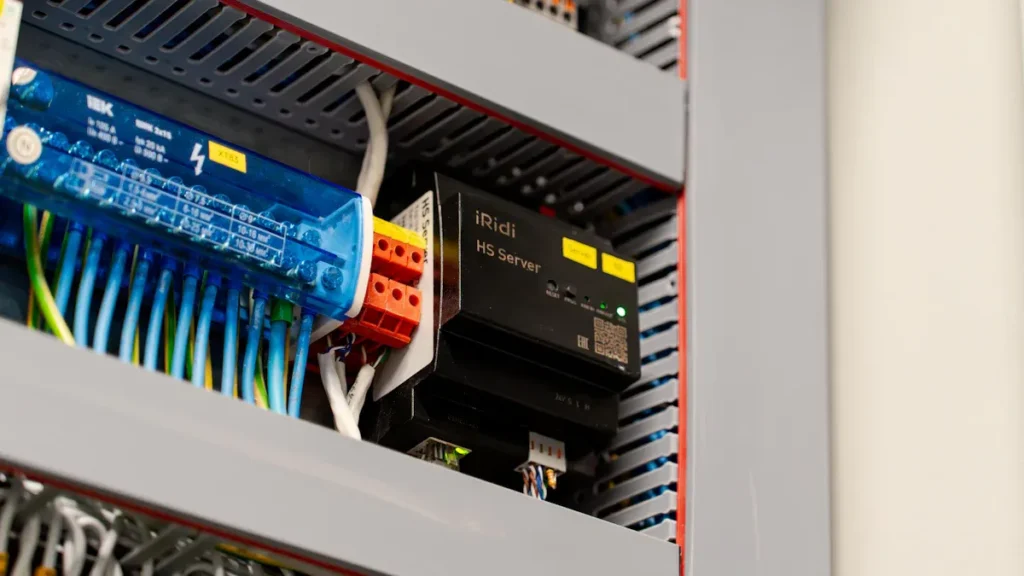
You want your electrical enclosures to stay safe and organized. Cable entry frames help you achieve this by protecting wiring from dust, moisture, and vibration. When you use these frames, you reduce cable failure rates and improve safety for everyone working around your equipment. Factories rely on them to keep machines running smoothly and to avoid costly downtime. You can see the benefits clearly:
| Industry | Benefits |
|---|---|
| Factories | Protects wiring from dust and moisture, enhancing safety and reducing cable failure rates. |
| Commercial Buildings | Simplifies installation and upgrades, ensuring compliance with fire and safety codes. |
You get a solution that not only keeps your setup neat but also meets strict safety standards. That means fewer headaches during inspections and less risk of accidents.
Data Centers and Commercial Use
If you manage data center infrastructure, you know how important it is to keep cables organized and interference low. Cable entry frames reduce electromagnetic interference, which leads to a 15% drop in cable-related issues. You also make upgrades and maintenance easier, saving time and money. In commercial buildings, these frames help you stay compliant with fire and safety codes. You can install or upgrade systems quickly, without creating a mess.
Tip: Organized cables mean faster troubleshooting and less downtime for your data and power systems.
Specialized Use Cases
Some industries have unique needs. Cable entry frames shine in these situations, too. Here’s how different sectors benefit:
| Industry | Description |
|---|---|
| Telecommunications | Protects and organizes fiber optic and power cables, ensuring signal stability and less maintenance. |
| Industrial Automation | Keeps wiring in control cabinets safe from dust, moisture, and vibration for smooth machine operation. |
| Renewable Energy | Provides sealed cable routing in solar inverters and wind turbines, extending equipment lifespan. |
You also see innovation in emerging technologies:
- Smart cable management systems use IoT to monitor cable performance in real time, helping you catch problems before they cause downtime.
- Eco-friendly materials, like recycled plastics, support your sustainability goals.
- Integration with smart building technologies lets you connect sensors and automated systems with ease.
When you choose a cable entry frame, you invest in safety, efficiency, and future-ready solutions for your data and power needs.
Cable Entry Systems Integration
System-Level Benefits
When you look at cable entry systems, you see more than just a way to route wires. You get a complete solution that brings order, safety, and efficiency to your setup. Cable entry frames fit right into these systems, making your installation smarter and more reliable. You can combine split frames, grommets, and covers to handle cables with or without connectors. This means you can route, seal, and protect cables ranging from 1 to 15 mm in diameter—all in one place.
Here’s a quick look at what you gain when you use cable entry systems in your projects:
| Benefit | Description |
|---|---|
| Modularity | Mix large and small grommets in one frame for flexible setups. |
| Tolerance Compensation | Special lips in the grommets ensure a perfect fit, even if cable sizes vary. |
| Strain Relief | Grommets protect cables from mechanical stress, so they last longer. |
| Environmental Protection | Meet top safety standards like UL 94 VO, IP65, and IP66 for harsh environments. |
| Easy Installation | The design makes setup fast and simple, even for big projects. |
You also get peace of mind with compliance. Cable entry systems meet strict standards, including IP ratings (EN 60529), UL recognition, DNV-GL for marine use, railway standards, and ATEX for explosive areas. You know your data and power lines stay safe, no matter where you install them.
Note: Combining industrial connectors and cable entry frames saves space and reduces the number of cut-outs you need.
Flexibility and Customization
You want a system that adapts to your needs. Cable entry systems give you that flexibility. You can use modular frames and grommets to fit any cable size or type. If you need to add more cables later, you just swap out a grommet or open the split frame—no need to start over.
Here’s how cable entry systems make your job easier:
- Modular cable glands let you bring in preassembled cables, saving time.
- Seal inserts can be tailored for different cable cross-sections.
- You can mount the sealing frame on any surface, even in tight spaces.
- Multi-part frames and grommets boost mechanical stability and protection.
- You get versions for every application, from control panels to data centers.
Check out these features and benefits:
| Feature | Benefit |
|---|---|
| Faster and easier cable feedthrough | Boosts efficiency in cable management |
| Secure seals and strain relief | Keeps cables safe and durable |
| Easier installation in tight spaces | Lets you set up in more places |
| Time savings and increased flexibility | Adapts to changing needs |
With cable entry systems, you stay ready for growth. You can handle more data, add new equipment, or upgrade your setup without hassle. You get a future-proof solution that keeps your workspace organized and your operations running smoothly.
Choosing a Cable Entry Frame
Selection Criteria
Picking the right cable entry frame can make your job easier and your setup safer. You want a solution that fits your environment and supports your future needs. Here’s a quick table to help you compare what matters most:
| Criteria | Description |
|---|---|
| Environmental Protection | Seal enclosures against hazards like dirt, dust, moisture, and chemicals. |
| Strain Relief | Prevent stress and damage to cables, ensuring longevity and reliability. |
| Connection Security | Prevent loosened connections and accidental disconnections. |
| Scalability | Allow for future cabling additions and changes with extra openings. |
| Safety Features | Protect against sparks, arc flashes, and block flammable substances from entering enclosures. |
| Installation Efficiency | Enable quicker and less costly installation while reducing space requirements. |
You should also think about your environment. Cable entry systems for industrial use often need to handle dust, extreme temperatures, and chemicals. In data centers, you want to block dust and keep electromagnetic interference low. Look for frames with sealing gaskets and locking mechanisms for the best results.
Common Mistakes
Many people make simple mistakes when installing cable entry systems. These errors can cause big problems, like:
- Increased electromagnetic interference (EMI)
- Ground currents that affect nearby equipment
- Intermittent operation, false alarms, or even equipment failure
You can avoid these issues by following the manufacturer’s instructions and double-checking your work. Remember, a small mistake can lead to downtime or lost data.
Installation Tips
You don’t need fancy skills to install cable entry systems, but the right tools help. Here are some tools that make the job smoother:
| Tool Type | Description |
|---|---|
| Holder tools | Keep loose elements in place during installation. |
| Pre-compression tools | Compress modules evenly for a tight fit. |
| Compression unit tools | Help handle compression wedges. |
| Welding tools | Protect the frame during welding. |
| Cable ties installation tools | Make cable tie installation quick and safe. |
Tip: Always use the right tool for each step. This saves time and helps you get a perfect seal.
When you choose cable entry systems, you invest in safety, flexibility, and future growth. You get a solution that keeps your cables organized and your operations running smoothly.
Conclusion
You’ve seen how cable entry frames can transform your cable management. These frames do more than just tidy up your workspace. They protect your cables from dust, moisture, and strain. You get a safer, more organized setup that saves you time and money.
If you want to boost efficiency and keep your equipment running, cable entry frames are a smart investment. You can install them quickly. You can add or change cables without hassle. You also meet strict safety standards, which means fewer worries during inspections.
Tip: Don’t wait for cable problems to slow you down. Plan ahead and choose the right cable entry system for your needs.
Here’s why you should consider cable entry frames for your next project:
- Safety First: You reduce the risk of accidents and equipment failure.
- Easy Upgrades: You can add new cables without starting over.
- Professional Look: You keep your workspace neat and compliant.
- Future-Proof: You stay ready for new technology and growth.
If you’re not sure which frame fits your setup, reach out to a cable management expert. They can help you pick the best solution for your environment and budget.
You want your business to run smoothly. You want your team to stay safe. Cable entry frames give you both. Take the next step—review your current setup and see where you can improve. The right cable entry system makes all the difference.
Ready to upgrade your cable management? Start today and enjoy a safer, more efficient workspace!
You’ve seen how cable entry frames keep your cables safe, organized, and ready for anything. Picking the right frame and installing it well makes your setup safer and more efficient. Check out these features that boost your results:
| Feature | Description |
|---|---|
| Composite Cable | Cuts down on labor and speeds up installation. |
| Standardization | Makes every setup smoother and more efficient. |
| EMI/RFI Shielding | Blocks interference, keeping your system reliable and safe. |
| Flexible Design | Lets you route cables easily and finish jobs faster. |
Take a moment to review your needs. If you want the best results, talk with a cable management expert. You’ll see the difference in safety and performance!
FAQ
What makes a cable entry frame better than traditional cable glands?
You save time and space with cable entry frames. You can route multiple cables through one opening. This keeps your setup neat and makes future upgrades easy. You also get better protection and a more professional look.
Can I install a cable entry frame myself?
Yes, you can! Most cable entry frames come with simple instructions. You only need basic tools. You get a secure, sealed fit without special training. This makes your project faster and easier.
Will a cable entry frame protect my cables from water and dust?
Absolutely. Cable entry frames offer high IP ratings, so they block out dust and moisture. Your cables stay safe, even in tough environments. You avoid costly downtime and equipment damage.
Are cable entry frames suitable for data centers?
Yes, they work great in data centers. You keep cables organized and reduce interference. This means fewer problems and faster troubleshooting. You also make upgrades simple and keep your systems running smoothly.
How do I choose the right cable entry frame for my needs?
Start by checking your environment and cable types. Look for frames with the right protection level and size. If you need help, ask an expert. You get the best fit and maximum value for your investment.