Picture a blazing summer afternoon. You step inside and feel a wave of cool air. That comfort comes from your air conditioner working hard behind the scenes. You might wonder, what is an air conditioner condenser? This part releases heat and keeps your space cool.
If the condenser stops working, you lose that refreshing feeling fast. Reliable cooling matters for homes and for protecting sensitive electronics in industrial settings. Linkwell Cabinet Air Conditioners offer dependable solutions so your environment stays safe and comfortable.
Key Takeaways
- The air conditioner condenser is essential for cooling. It releases heat from the refrigerant, allowing your space to stay comfortable.
- Regular maintenance of the condenser saves money. Clean coils and filters help your AC run efficiently, lowering energy bills.
- Watch for signs of trouble, like warm air or strange noises. Early detection of issues can prevent costly repairs.
- Linkwell Cabinet Air Conditioners provide reliable cooling for sensitive electronics. They are designed for tough environments and easy maintenance.
- Routine checkups for your air conditioner are crucial. Schedule maintenance to ensure your system works well and lasts longer.
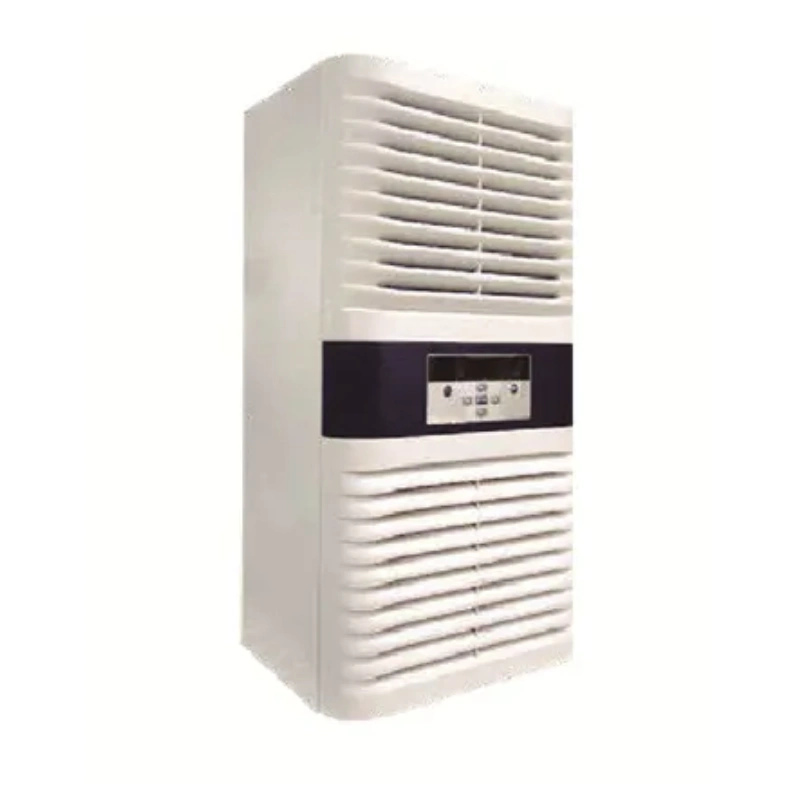
Recommended products

What is an air conditioner condenser?
When you ask yourself, what is an air conditioner condenser, you’re really looking at the heart of your cooling system. Whether you have a small unit at home or a powerful system in an industrial setting, the condenser plays a key role in keeping things cool and comfortable. You’ll find condensers in everything from the AC on your wall to the advanced Linkwell Cabinet Air Conditioners that protect sensitive electronics in factories and control rooms.
Condenser’s Role in Cooling
So, what is an air conditioner condenser actually doing? The answer is simple: it’s the part of your air conditioner that gets rid of unwanted heat. Imagine your AC as a heat-moving machine. The condenser is the outdoor component that takes the heat from inside your space and releases it outside. This process is essential for cooling your home, office, or even an electrical cabinet.
You’ll see two main types of condensers:
- Air-cooled condensers: These are common in homes and small businesses. They use the outside air to remove heat from the refrigerant.
- Water-cooled condensers: You’ll find these in larger buildings or industrial sites. They use water to carry away heat, which works well when the outside air is too hot for regular cooling.
No matter the type, the condenser’s job stays the same—move heat out so you can enjoy a cooler, safer environment.
How the Condenser Works
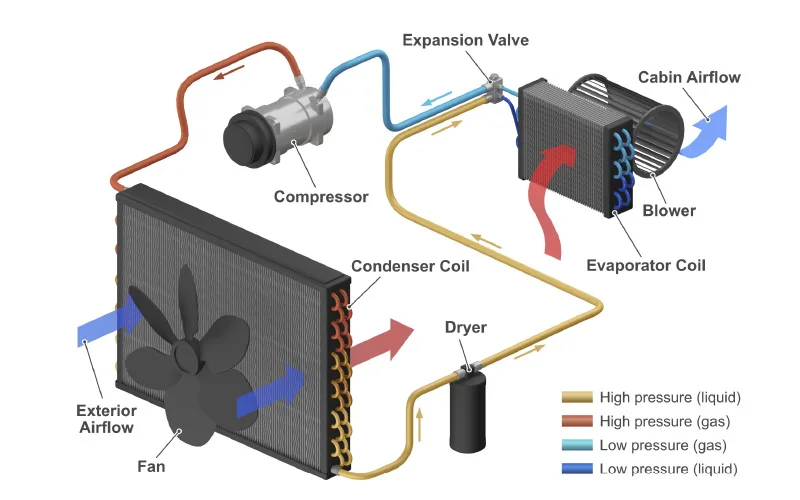
Let’s break down how the condenser does its job. When your air conditioner runs, it moves a special fluid called refrigerant through a closed loop. Here’s what happens inside the condenser:
- The hot, pressurized refrigerant gas enters the condenser coil.
- A fan blows air (or water flows, in some systems) over the coil.
- The refrigerant releases its heat to the air or water and cools down.
- As it cools, the refrigerant turns back into a liquid, ready to absorb more heat from inside your space.
Here’s a quick look at the main parts of a condenser and what they do:
- Condenser Coil: Releases heat from the refrigerant.
- Compressor: Pushes the refrigerant through the system.
- Fan: Moves air over the coil to help with cooling.
- Control Systems: Keep everything running safely and efficiently.
| Component | Function |
|---|---|
| Condenser coil | Dissipates heat efficiently to maintain temperature |
In industrial settings, like those using Linkwell Cabinet Air Conditioners, the condenser is built to handle tough environments. These units use advanced coils and fans to keep electrical cabinets at the perfect temperature, even when it’s hot, dusty, or humid outside. You get reliable cooling, longer equipment life, and peace of mind knowing your sensitive electronics are protected.
So, the next time you wonder what is an air conditioner condenser, remember it’s the powerhouse that makes cool comfort possible—at home, at work, and in the most demanding industrial spaces.
Why the Condenser Matters
Cooling Efficiency
You want your air conditioner to deliver cool air quickly and keep your space comfortable. The secret to great performance often starts with the condenser. When you ask what is an air conditioner condenser, you’re really asking how your system manages heat and energy. A well-functioning condenser helps your AC run smoothly and keeps temperatures steady.
Here’s how condenser performance affects cooling efficiency:
- The condenser controls how much heat leaves your system. If it works well, your AC doesn’t have to work as hard.
- A small change in temperature difference can make a big impact. For example, a 20˚F difference between return and supply air can use over 240,000 kW hours more energy than a 10˚F difference.
- The type of cooling system matters. Cooling towers usually work better than dry coolers, with heat rejection factors adding about 17% to a cooling tower load and 25% to a dry cooler load.
If you want reliable cooling in tough environments, Linkwell Cabinet Air Conditioners stand out. These units use advanced coils and fans to keep electrical cabinets at the right temperature, even when conditions get rough. You get consistent cooling and peace of mind.
Energy Use and System Life
A clean, well-maintained condenser saves you money. When coils stay clean and components work properly, your air conditioner uses less energy. You’ll notice lower utility bills and a smaller environmental footprint.
- Regular maintenance boosts energy efficiency.
- Clean coils help reduce energy consumption.
- Lower energy use means less strain on your wallet and the planet.
How long does a condenser last? It depends on where you use it. Here’s a quick look:
| Setting | Average Lifespan |
|---|---|
| Residential | 15 to 20 years |
| Industrial | 10 to 15 years |
Industrial environments demand more from cooling systems. Linkwell Cabinet Air Conditioners offer features that help you save energy and extend equipment life:
| Feature | Value |
|---|---|
| Energy Efficiency Ratio (EER) | 3.2 – 3.8 |
| Power factor correction | Yes |
| Eco-mode operation | Yes |
| Smart defrost cycle | Optimized |
Tip: Choosing the right condenser and keeping it in top shape means you get better cooling, lower costs, and longer-lasting equipment. Linkwell’s solutions help you protect your investment and keep your operations running smoothly.
What Happens if the Condenser Fails?
Loss of Cooling
Imagine stepping inside on a hot day, expecting cool relief, but instead you feel warm, sticky air. That’s what happens when your condenser fails. The cooling process stops working as it should. You might notice your air conditioner running longer, but the temperature never drops. Rooms feel warmer than expected, and comfort disappears fast.
Here’s what you might experience right away:
- Inadequate cooling or no cooling at all
- Longer running times for your AC
- Higher energy bills because the system works harder
- Strange noises or short cycling from the unit
- Rapid heat buildup, especially during peak summer hours
When the condenser can’t do its job, the whole system struggles. The refrigerant can’t release heat, so your home or workspace stays hot. In residential spaces, this means poor temperature control and discomfort. You lose the cool, steady environment you count on. If you use Linkwell Cabinet Air Conditioners in an industrial setting, a failed condenser can cause sensitive electronics to overheat, risking equipment shutdowns.
Higher Costs and Risks
A broken condenser doesn’t just make you uncomfortable—it can hit your wallet hard. Repair costs for a condenser often range from $205 to $400, but full replacement can soar to $1,200–$4,200, especially for complex systems. If you ignore the problem, other parts like the compressor may get damaged, leading to even bigger bills.
Here’s what else can go wrong:
- Increased energy consumption as your system tries to keep up
- Potential damage to other AC components
- Complete system shutdown if left unchecked
For industrial users, the stakes get even higher. Sensitive electronics inside control cabinets need stable temperatures. If the condenser fails, you risk:
| Component Type | Impact of Failure | Importance for Electronics |
|---|---|---|
| Voltage Source Converters | System unreliability | Critical for maintaining performance |
| Gate Disconnection | Stress management issues | Essential for fault diagnosis and prevention |
| High Voltage Connections | Vulnerable to failure under stress | Impacts overall system safety and efficiency |
Downtime can mean lost productivity and expensive repairs. That’s why choosing a reliable solution like Linkwell Cabinet Air Conditioners makes sense. These units protect your equipment, keep your operations running, and help you avoid costly surprises.
If you ever wonder what is an air conditioner condenser, remember it’s the part that stands between you and a world of discomfort, high costs, and risk to your valuable equipment.
Condenser Maintenance Tips
Basic Care Steps
You want your air conditioner to run smoothly and save money on energy bills. Regular maintenance makes a big difference. Start with simple steps you can do at home or in an industrial setting:
- Clean or replace air filters every three months. Dirty filters block airflow and force your system to work harder.
- Keep the area around your condenser clear. Remove leaves, debris, or anything that might restrict airflow.
- Clean the coils gently. Use a soft brush or rinse with a garden hose to remove dust and dirt.
- Check refrigerant levels. Low refrigerant can damage your compressor and reduce cooling efficiency.
Here’s a quick table to help you remember the most effective practices:
| Maintenance Practice | Description |
|---|---|
| Cleaning the Coils | Remove dirt to keep heat transfer efficient. |
| Checking and Replacing Filters | Change filters monthly for clean airflow and system protection. |
| Checking Refrigerant Levels | Inspect regularly to prevent compressor damage and inefficiency. |
| Ensuring Appropriate Airflow | Keep the area clear for unobstructed cooling. |
Tip: Schedule annual tune-ups to catch small issues early and extend your system’s lifespan.
Signs of Trouble
Spotting problems early helps you avoid costly repairs. Watch for these warning signs:
- Warm air blowing from vents means your unit isn’t cooling efficiently.
- Frequent cycling shows your AC struggles to keep the right temperature.
- Unusual noises like rattling or buzzing can signal obstructions or electrical issues.
- Visible debris around the condenser blocks airflow and reduces effectiveness.
| Sign of Trouble | Explanation |
|---|---|
| Restricted Airflow | Overheating and extra strain on your system. |
| Faulty Condenser Fan | Less cooling and possible overheating. |
| Electrical Issues | System may not run or cool properly. |
If you notice any of these, act quickly. Regular inspections help you catch minor issues before they become major problems.
Linkwell Cabinet Air Conditioner Maintenance
Linkwell Cabinet Air Conditioners make maintenance easy and hassle-free. You get:
- Ultra-thin, compact design for quick access to filters and coils.
- Simple cleaning or replacement of filters—no special tools needed.
- Smart condensate management system to prevent leaks and damage.
- Microcomputer temperature controller for easy adjustments and performance checks.
- High-quality parts that deliver reliable cooling and reduce downtime.
- Quick installation and simple upkeep with flexible mounting options.
Linkwell’s robust design means fewer moving parts, military-grade materials, and brushless motors. You spend less time on repairs and enjoy long-lasting performance. High-grade filtration and IP-rated protection keep your system running in tough environments. Regular maintenance with Linkwell units leads to cost savings, improved energy efficiency, and peace of mind.
Choosing Linkwell means you get dependable cooling, easy maintenance, and protection for your valuable equipment—at home or in the most demanding industrial settings.
Conclusion
You’ve seen how the air conditioner condenser keeps your space cool and your equipment safe. This part does more than just move heat—it’s the heart of your cooling system. When you take care of your condenser, you get reliable comfort, lower bills, and peace of mind.
Let’s recap the key points:
- The condenser converts refrigerant from gas to liquid, making heat absorption possible and keeping your environment comfortable.
- A clean, well-maintained condenser boosts energy efficiency. You spend less on utilities and avoid surprise costs.
- Regular care helps your AC last longer. You prevent breakdowns and keep every part working smoothly.
Routine maintenance makes a big difference. You catch small problems before they grow. You keep your system running at peak efficiency. You save money and avoid the hassle of unexpected repairs.
If you work in an industrial setting, you know how important stable temperatures are. Linkwell Cabinet Air Conditioners deliver specialized cooling for electrical cabinets and telecom stations. These units protect sensitive components from overheating. They stand up to dust, moisture, and tough outdoor conditions. You get dependable performance and easy maintenance, even in the harshest environments.
Tip: Don’t wait for trouble. Schedule regular checkups for your air conditioner. If you need a solution for industrial cooling, explore Linkwell Cabinet Air Conditioners. You’ll protect your investment and keep your operations running smoothly.
Choosing the right condenser and keeping it in top shape means you enjoy comfort, save money, and protect your valuable equipment. Whether you’re cooling your home or safeguarding sensitive electronics, the condenser matters. Make maintenance a habit and consider Linkwell for your specialized cooling needs. Your comfort and productivity depend on it.
You rely on your air conditioner condenser to keep your space cool and your equipment safe. Regular maintenance helps you avoid breakdowns and keeps your system running efficiently. If you want specialized cooling for sensitive electronics, Linkwell Cabinet Air Conditioners offer reliable solutions.
Ready to protect your comfort and investment? Check out Linkwell’s cabinet air conditioners or schedule a maintenance check today!
FAQ
What does an air conditioner condenser do?
Your condenser releases heat from your space. It turns hot refrigerant gas into a cool liquid. This process keeps your home or equipment comfortable. Without it, your air conditioner cannot cool effectively.
How often should you clean or check your condenser?
You should inspect and clean your condenser every three months. Regular care helps prevent breakdowns and keeps your system running efficiently.
Tip: Schedule annual professional maintenance for best results.
Why choose Linkwell Cabinet Air Conditioners for industrial cooling?
Linkwell units offer reliable cooling, energy savings, and easy maintenance. You get advanced controls and robust protection for sensitive electronics.
- IP-rated for harsh environments
- Quick installation
- Smart temperature management
What are signs your condenser needs attention?
Watch for these signs:
- Warm air from vents
- Strange noises
- Frequent cycling
- Visible debris
If you notice any, act fast to avoid bigger problems.