How Do Ceramic Heaters Work in industrial cabinets? You need stable temperatures to protect sensitive equipment. Without good control, you risk blocked airflow, overheating, or even condensation that can corrode metal parts and damage insulation. Linkwell’s Enclosure Heater gives you a simple, reliable way to keep everything safe and running smoothly.
Key Takeaways
- Ceramic heaters use PTC technology to self-regulate temperature, preventing overheating and saving energy.
- Proper placement of the heater near the bottom of the cabinet enhances natural convection, ensuring even heat distribution.
- Choosing a heater with a suitable IP rating protects your equipment from dust and moisture, extending its lifespan.
How Do Ceramic Heaters Work in Electrical Cabinets
Ceramic Heating Principle
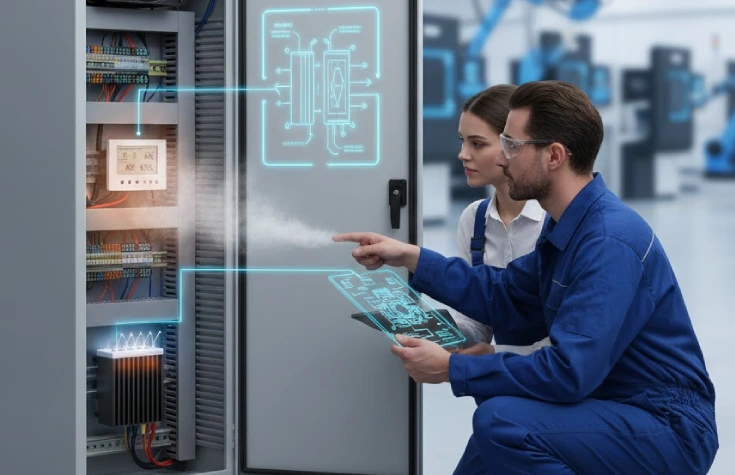
You might wonder, how do ceramic heaters work inside your electrical cabinet? The answer starts with the ceramic element itself. When you run electricity through a ceramic heater, the ceramic material resists the flow of current. This resistance turns electrical energy into heat. The process is simple but powerful. Ceramic elements can handle high temperatures and rapid changes without breaking down. That’s why you see them used in everything from aerospace manufacturing to electronics. They deliver steady, even heat and stand up to tough environments.
Once the ceramic element heats up, it transfers warmth to the air and surfaces inside your cabinet. This keeps your sensitive electronics safe from cold, moisture, and sudden temperature swings. You get reliable protection, even if your cabinet faces harsh conditions.
PTC Technology and Efficiency
Let’s dig a little deeper. How do ceramic heaters work so efficiently? Many use PTC, or Positive Temperature Coefficient, technology. Here’s what makes PTC special:
- PTC heaters self-regulate. As the temperature rises, their resistance increases, so they draw less power. This prevents overheating and keeps things safe.
- You save energy. Once the cabinet reaches the right temperature, the heater uses less electricity.
- PTC heaters are compact and need little maintenance. You can fit them into tight spaces and trust them to run for years.
This smart design means you don’t have to worry about constant adjustments or wasted energy. Your cabinet stays at the perfect temperature, and your equipment lasts longer.
Linkwell Enclosure Heater Features
Now, let’s look at a real-world example. Linkwell’s Enclosure Heater shows how do ceramic heaters work in industrial cabinets with top-notch safety and performance. These heaters meet strict standards like UL 508A and NEMA, so you know they’re built for reliability. You’ll also find certifications such as CE, RoHS, UL, and CSA, which cover global safety and environmental requirements.
Here’s a quick look at the protection levels you can expect:
| IP Rating | Description |
|---|---|
| IP20 | Protection against solid objects >12.5mm |
| IP54 | Protection against dust and water spray |
| IP65 | Protection against dust and water jets |
Linkwell’s heaters often feature an IP65 rating. This means they keep out dust and water, making them perfect for harsh or outdoor environments.
But how do ceramic heaters work to spread heat inside your cabinet? They use three main methods:
- Conduction: The heater touches metal parts or mounting surfaces, sending heat directly into them.
- Convection: Warm air rises from the heater, creating a gentle airflow that spreads heat throughout the cabinet.
- Radiation: The heater emits infrared energy, warming nearby components without needing to heat all the air.
You can also pair Linkwell’s heaters with thermostats or hygrostats. This gives you precise control over temperature and humidity. You get peace of mind, knowing your equipment is protected from condensation, corrosion, and cold.
Tip: For the best results, install your enclosure heater near the bottom of the cabinet. This helps create a natural convection flow, moving warm air upward and keeping every corner protected.
So, when you ask, how do ceramic heaters work in your industrial cabinet, remember: it’s a mix of smart materials, advanced technology, and thoughtful design. Linkwell brings all these together to keep your systems running safely and efficiently.
Comparative Advantages
Why Ceramic PTC Heaters Outperform Traditional Options
You want your cabinet heater to be safe, efficient, and reliable. Ceramic PTC heaters check all those boxes. They self-regulate, so you never worry about overheating. Traditional heaters can get too hot if you don’t monitor them. Ceramic PTC heaters also use less energy as the cabinet warms up. That means lower bills and less stress. Take a look at this quick comparison:
| Feature | Ceramic PTC Heaters | Traditional Heating Elements |
|---|---|---|
| Safety | Maintains a safe surface temperature limit | Can overheat if not properly managed |
| Energy Efficiency | Power decreases as ambient temperature rises | Constant power consumption |
| Heat Conversion Rate | High heat conversion rate and uniform heat | Varies, often less efficient |
You also help the planet. Ceramic PTC heaters cut CO2 emissions by 15% over ten years compared to resistive wire heaters.
Electrical Cabinet Volume and Temperature Rise Requirements
Sizing your heater is easy if you follow a few steps. First, measure your cabinet’s surface area. Next, decide how much you want to raise the temperature inside. Finally, use these numbers to figure out the wattage you need. Here’s a simple guide:
| Step | Description |
|---|---|
| 1 | Calculate the total surface area of the enclosure based on its dimensions. |
| 2 | Determine the temperature rise needed, which is the difference between the minimum and maximum temperatures. |
| 3 | Use the surface area and temperature rise to find the required wattage for heating the enclosure. |
Tip: If you’re unsure, Linkwell’s team can help you choose the right heater for your cabinet.
Power Supply and Installation
You want your heater to match your cabinet’s voltage. Linkwell offers options for 12V, 24V, 120V, and 230V. For best results, install the heater near the bottom air intake. Warm air rises and spreads throughout the cabinet. Place the air outlet at the top to create natural convection. This setup keeps every corner protected and answers the question: How Do Ceramic Heaters Work to maintain even heat distribution.
Critical Selection & Sizing Factors
Key Factors for Selecting the Right Cabinet Heater
Choosing the right ceramic heater for your industrial cabinet can feel tricky, but you can break it down into a few simple steps. Here’s what you should look for:
- Clarify Your Application Needs
Start by thinking about where you’ll use the heater. Is your cabinet in a cold warehouse or a humid factory? Check the ambient temperature and humidity. Make sure you know the temperature range your equipment needs to stay safe. - Know the Heater Types
Not all heaters work the same way. PTC ceramic heaters stand out because they save energy and keep things safe. They adjust their power as the temperature changes, so you don’t have to worry about overheating. - Check the Protection Rating and Placement
Look for heaters with at least an IP54 rating. This means they can handle dust and water splashes. Place your heater where air can move freely—usually near the bottom of the cabinet. Good airflow helps spread the heat evenly. - Look for Smart Features
Some heaters come with built-in temperature controllers or even remote monitoring. These features make it easy to keep your cabinet at the perfect temperature without constant checks.
💡 Tip: If you’re not sure which heater fits your needs, reach out to a trusted supplier like Linkwell. Their team can help you match the right model to your cabinet and environment.
When you follow these steps, you make sure your equipment stays protected, efficient, and ready for anything.
Benefits and Application in Industrial Cabinets
Moisture and Condensation Prevention
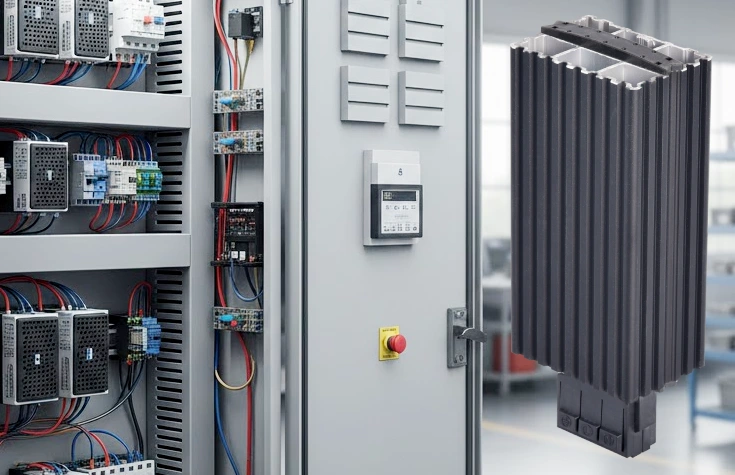
You know moisture can ruin electronics fast. Ceramic heaters, especially Linkwell’s Enclosure Heater, step in to keep your cabinet dry. When the temperature drops, condensation forms inside enclosures. That’s bad news for sensitive electronics. PTC ceramic heaters quickly raise the internal temperature above the dew point. This stops condensation before it starts. Built-in fans spread heat evenly, so you don’t get cold spots where moisture can sneak in.
- Heaters prevent temperature drops, avoiding condensation.
- High-speed electronics need heating even in tropical climates.
- PTC technology adjusts heat output as needed, saving energy.
- Preventing condensation is crucial for cabinets exposed to weather.
You’ll see these heaters in control panels, junction boxes, outdoor enclosures, and telecom equipment.
Energy Efficiency and Safety
You want your heater to work hard without wasting energy. Ceramic heaters use less power than other types. They self-regulate, so you never worry about overheating. Take a look at this quick comparison:
| Heater Type | Average Energy Usage (kWh/m²) | Efficiency |
|---|---|---|
| Ceramic Heaters | 0.64 | Lower energy usage |
| Radiant Heaters | Higher than ceramic | 95%+ infrared output efficiency |
Ceramic heaters keep your cabinet safe. They maintain a steady temperature and use touch-safe covers. You get peace of mind and lower energy bills.
Installation and Operation with Linkwell
You want installation to be simple. Linkwell offers custom sizes, voltage options, and power levels. You can choose DIN rail, screw-mounted, or panel mounting styles. Integrated thermostats and touch-safe covers make operation easy.
- Custom sizes
- Various voltage options
- Integrated thermostats
- Touch-safe covers
Linkwell’s heaters fit factories, wind power systems, traffic control cabinets, and outdoor automation. You get reliable protection, easy setup, and support for any industrial environment.
Conclusion
You want your industrial cabinet to stay safe, dry, and efficient. Ceramic heaters, especially Linkwell’s Enclosure Heater, make that possible. You get steady heat, reliable protection, and less worry about moisture or cold. These heaters use smart PTC technology, so you never have to stress about overheating or wasted energy. You save money and keep your equipment running longer.
Let’s look at why ceramic heaters stand out when it comes to maintenance:
- You spend less time on preventive maintenance. Ovens need regular inspections and cleaning, but ceramic heaters are simpler.
- You avoid reactive maintenance. Ovens can break down and need repairs, while ceramic heaters have fewer failure points.
- You don’t need condition-based maintenance as often. Ceramic heaters require less frequent intervention.
- You benefit from durability. Ceramic materials in PTC heaters last longer than traditional resistive elements, so you deal with fewer repairs and less downtime.
- You skip the risk of burned-out coils. Ceramic heaters don’t have elements that fail like other heating solutions.
- You enjoy easy installation. PTC fan heaters are lightweight and compact, so you can fit them anywhere and simplify maintenance.
You get more than just heat. You get peace of mind. Linkwell’s Enclosure Heater offers customizable options, strong certifications, and support for any industrial environment. If you want a cabinet heater that works hard and makes your life easier, Linkwell is your best choice. Protect your equipment, save energy, and keep your cabinet running smoothly.
You want your equipment to last and run smoothly. Linkwell’s Enclosure Heater gives you that peace of mind. With self-regulating PTC elements and smart fan design, you get safe, efficient heat and moisture protection. Check out these key benefits:
| Benefit | Description |
|---|---|
| Prevents condensation | Reduces short circuit risk |
| Stops corrosion | Protects your equipment |
| Maintains safe conditions | Works in any weather |
| Extends component life | Increases durability |
| Reduces early failures | Boosts system reliability |
| Keeps systems running reliably | Maximizes uptime |
FAQ
Can I use Linkwell’s enclosure heaters in wet or outdoor environments?
Yes, you can. Choose models with an IP65 rating. These heaters resist dust and water, so your equipment stays protected even in harsh conditions.
Do I need a thermostat with my enclosure heater?
You should use a thermostat. It helps you save energy and keeps the temperature steady. Linkwell offers models with built-in or external thermostats for easy control.
How do I install a Linkwell enclosure heater?
You can mount it on a DIN rail or with screws. Wiring is simple with terminal blocks or pre-wired cables. Always follow the included instructions for safe setup.