When you compare DIN Rail Terminal Blocks vs. PCB Terminal Blocks: A Comparison for Design Engineers, your choice really comes down to your specific design needs. Engineers like you often weigh current and voltage ratings, compatibility, and safety standards before making a decision. Materials and modularity also matter since these features affect durability and maintenance.
Cost can play a big role, too, since prices and long-term savings vary. Linkwell stands out as a trusted partner for engineers by delivering high-quality solutions that help you meet these demands. In DIN Rail PCB Terminal Blocks vs. PCB Terminal Blocks: A Comparison for Design Engineers, you’ll see why picking the right terminal block can boost performance, reliability, and your bottom line.
Key Takeaways
- Choose DIN rail terminal blocks for easy installation and modular expansion in industrial settings.
- Opt for PCB terminal blocks when you need compact designs and quick wire connections on circuit boards.
- Consider Linkwell for high-quality terminal blocks that meet safety standards and support your project needs.
- Evaluate your project’s current and voltage requirements to select the right terminal block type.
- Regularly check and maintain your connections to ensure reliability and prevent failures in harsh environments.
DIN Rail Terminal Blocks
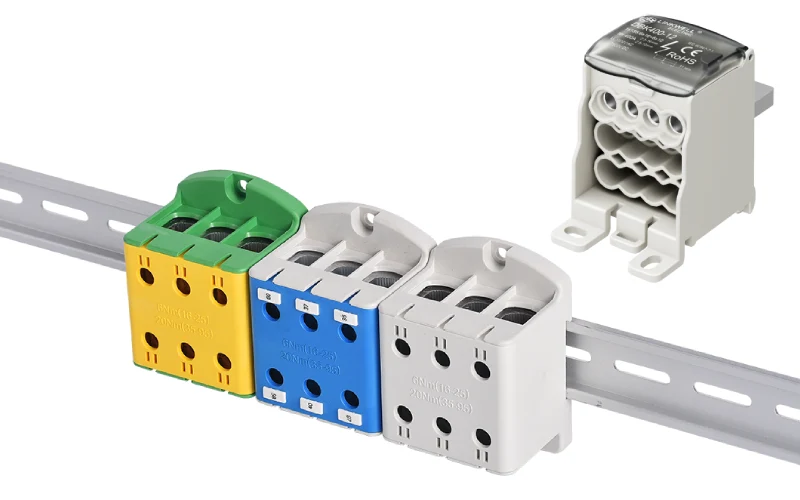
What Are DIN Rail Terminal Blocks
You see DIN rail terminal blocks in almost every modern control panel or industrial cabinet. These blocks use insulating materials and mount directly onto a DIN rail—a standardized metal rail that makes organizing your electrical components much easier. The term “DIN” comes from the German Institute for Standardisation, which set the rules for these components. You can find many terminal block types, each designed for different wiring and device needs. Most engineers choose this mounting method because it keeps everything neat and allows for quick changes.
When you look at terminal block types, you’ll notice they are grouped by structure, device type, and how you connect the wires. The DIN rail itself acts as a universal platform, so you can mix and match devices from different brands without worrying about fit.
Features and Advantages
You want your connections to be safe and reliable. DIN rail terminal blocks deliver secure connections, which means less risk of electrical failures or downtime. These blocks meet strict industry standards for voltage, current, and insulation. Many terminal block types include touch-proof covers and surge protection, so you get extra safety for your team.
Durability matters, too. These blocks use strong materials that stand up to heat, vibration, and harsh environments. You can count on them to last for years. The modular design of most terminal block types means you can add, remove, or rearrange blocks as your system grows. This flexibility, along with the ease of installation, saves you time and money.
Linkwell DIN Rail Solutions
Linkwell offers a wide range of terminal block types to fit your project. You can choose from Top Hat, C-Section, and G-Section rails, each made for different weights and applications. Here’s a quick look at what you get:
| Attribute | Details |
|---|---|
| Current Range | 125A to 400A |
| Voltage Rating | Up to 690V AC |
| Certifications | IEC/UL compliant |
You’ll find Linkwell’s terminal block types in factory automation, data centers, renewable energy, and heavy machinery. For example, in industrial automation, these blocks can cut wiring time by up to 30%. In solar and wind systems, they handle tough conditions and keep power flowing. The ease of installation and modularity make upgrades simple, so you can scale your system as your needs change.
If you need power distribution terminal blocks or other specialized terminal block types, Linkwell has you covered. You get reliable products, fast delivery, and support from a team that understands your industry.
Tip: When you plan your next project, think about how the right terminal block types can make your job easier and your system safer.
PCB Terminal Blocks
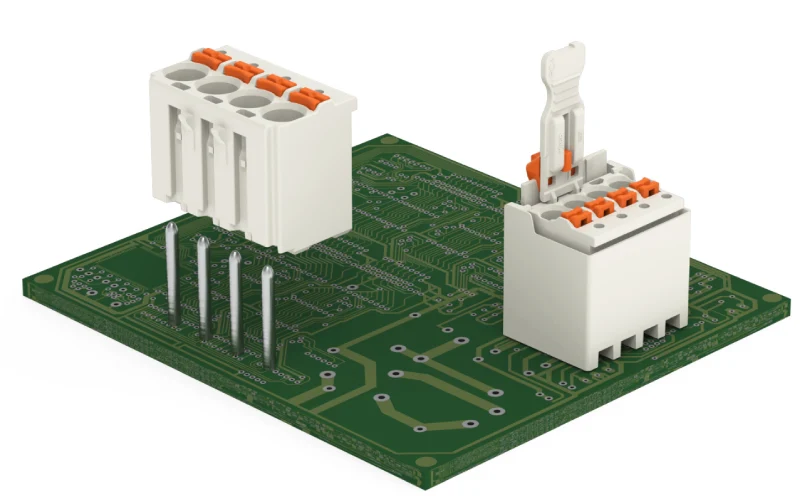
What Are PCB Terminal Blocks
You probably use pcb terminal blocks when you need to connect a wire to a pcb quickly and securely. These blocks let you insert a bare wire, clamp it in place, and create a solid connection right on the board. You don’t need to solder every wire, which saves you time and effort. The housing of the block gets soldered to the pcb, so you get a stable base for all your electrical connections. You can find single, dual, or multi-level designs, which means you can handle one wire or several wires in a compact space. These blocks work well in automation, power systems, and consumer electronics. They make assembly and maintenance much easier for you.
- pcb terminal blocks let you connect and disconnect wires without damaging the pcb.
- You can use them for reliable electrical connections in many devices.
- They help you keep your wiring organized and your circuit boards neat.
Benefits of Using PCB Terminal Blocks
You get a lot of benefits when you choose pcb terminal blocks for your projects. Here’s a quick look at the main benefits of using pcb terminal blocks:
| Benefit | Description |
|---|---|
| Ease of Installation | You can connect multiple wires easily, which saves time and reduces wiring complexity. |
| Reliability | These blocks give you secure and reliable electrical connections, so you worry less about failures. |
| Safety | Good design helps protect you from electrical shock and short circuits. |
| Flexibility in Connections | You can swap wires or replace parts without damaging the pcb. |
You’ll notice that the benefits of using pcb terminal blocks go beyond just making connections. They help you with maintenance, upgrades, and troubleshooting, too.
Linkwell Terminal Block Connector
If you want a connector that stands out, check out the Linkwell Terminal Block Connector. This product gives you secure and stable electrical connections, so you don’t have to worry about loose wires or signal loss. You can assemble and maintain your wiring with minimal tools, which speeds up your work. The connector comes in different configurations and connection methods, so you can pick what fits your pcb and wire needs. Insulated points keep you safe from accidental contact. You also save money because these connectors are cost-effective compared to more complex options.
- Linkwell’s connectors support a variety of wire sizes and types.
- You can upgrade or modify your pcb without complex rewiring.
- The compact design saves space and keeps your circuit boards organized.
- You get reliable electrical connections that last, even in demanding environments.
Tip: When you plan your next project, think about the benefits of using pcb terminal blocks. They give you flexibility, safety, and reliable connections for any electronic application.
DIN Rail Terminal Blocks vs. PCB Terminal Blocks: A Comparison for Design Engineers: A Comparison for Design Engineers
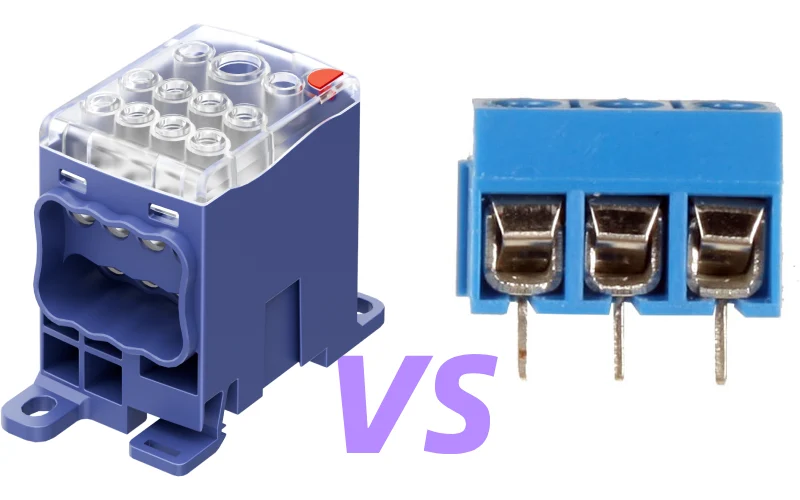
When you look at din rail pcb terminal blocks vs. pcb terminal blocks: a comparison for design engineers, you want to see how each option fits your project. You care about cost, reliability, installation, maintenance, flexibility, and scalability. Let’s break down these factors so you can make the best choice for your next design.
Cost and Reliability
You always want to balance your budget with the need for reliable connections. Here’s a quick side-by-side look at cost and reliability:
| Feature | DIN Rail PCB Terminal Blocks | PCB Terminal Blocks |
|---|---|---|
| Cost per Unit | $0.50–$2.00 (basic models) | $1.00–$10.00+ (depending on type) |
| Best for | High-density, static wiring setups | Dynamic systems, custom layouts |
| Reliability | High, even in tough environments | High, especially for compact PCBs |
| Long-Term Value | Cost-effective for large projects | Worth the price for flexibility |
You will find that terminal blocks are usually more affordable, especially when you need lots of wire connections in one place. If you work on a static wiring setup, you save money with din rail pcb terminal blocks vs. pcb terminal blocks: a comparison for design engineers. Connectors may cost more, but they give you extra flexibility in dynamic systems. Both options offer reliable connections, so you can trust your power and signal lines to stay secure.
Note: If you want reliable connections that last, both options deliver. Your choice depends on your wiring needs and budget.
Installation and Maintenance
Installation can make or break your project timeline. You want a system that lets you finish fast and keep things simple when you need to make changes. Here’s how the two options compare:
- DIN rail pcb terminal blocks let you snap blocks onto the rail. You can add or remove a wire without special tools. This makes installation quick and easy.
- PCB terminal blocks mount directly to the pcb. You solder the block to the board, then insert and clamp each wire. This method keeps your wiring neat and organized.
Maintenance is just as important. With din rail pcb terminal blocks vs. pcb terminal blocks: a comparison for design engineers, you get easy access to every connection. You can swap out a block or reroute a wire in minutes. PCB terminal blocks also make maintenance simple. You can disconnect a wire, replace a block, or upgrade your design without damaging the pcb.
Tip: Always double-check your connections during installation. Good connections mean fewer problems down the road.
Flexibility and Scalability
You want your design to grow with your needs. Flexibility and scalability help you handle future upgrades or changes. Din rail pcb terminal blocks vs. pcb terminal blocks: a comparison for design engineers shows you how each option supports system growth.
DIN rail pcb terminal blocks give you the most flexibility. You can add, remove, or reroute circuits by snapping on extra blocks or using jumper bridges. You can mix feed-through, fuse, and other types of blocks on the same rail. This setup supports many wire sizes and connection methods, like screw, spring, or push-in. You can standardize your setup and make upgrades easy.
PCB terminal blocks also offer flexibility. You can choose from many designs, including single, dual, or multi-level blocks. You can pick the right pitch size for your pcb and wire needs. If you want to change your layout, you can use pluggable or stackable blocks. This makes upgrades and repairs simple.
Here’s a quick list of what you get with both options:
- Easy system expansion
- Support for different wire sizes
- Reliable connections for power and signal
- Simple upgrades and maintenance
When you compare din rail pcb terminal blocks vs. pcb terminal blocks: a comparison for design engineers, think about your future needs. If you expect your system to grow, DIN rail options make it easy to scale up. PCB terminal blocks give you flexibility in compact designs and help you keep your wiring organized.
Callout: If you want a system that grows with your business, choose a solution that supports easy expansion and reliable connections.
You can see that the comparison of pcb terminal blocks with other connection methods shows why these blocks are so popular. They give you safe, organized, and reliable connections for every wire in your design. Whether you need to power a control panel or connect signals on a pcb, you have options that fit your needs.
Application Suitability
Industrial and Control Panel Use
If you work with control panels or industrial systems, you know how important it is to get your connections right. You need terminal blocks that handle tough environments and keep every wire secure. Here are some things you should check before you choose:
- Check the wire gauge. Make sure your terminal block fits the minimum and maximum wire sizes you use.
- Look at the voltage rating. Your system voltage should always be lower than the block’s rating.
- Think about current. Pick a terminal block rated for at least 150% of your system’s maximum current.
- Count the poles. You might need a block with just one circuit or up to 24.
- Consider your cabinet. Some blocks have different wiring entry options for tight or large spaces.
You want safety and reliability. DIN rail terminal blocks from Linkwell help you avoid accidental disconnections or short circuits. They meet international safety standards and can boost your operational efficiency by up to 30%. You also get less downtime and fewer repairs. Linkwell uses flame-retardant nylon housings and tin-plated alloys for high conductivity and corrosion resistance. You can trust these blocks in automation, power, and transportation.
Electronic and PCB Assembly Use
When you design electronic devices, you need pcb terminal blocks that fit your pcb layout and make every connection easy. You want blocks that handle the right current and voltage, even in small spaces. Environmental factors like temperature and humidity matter, too. Some blocks work better in harsh conditions.
- Always pick pcb terminal blocks rated for at least 150% of your expected current.
- Check the voltage rating for your system and possible surges.
- Look at the pitch size. Smaller pitches save space but need careful assembly.
- Choose the right mounting method for your pcb.
A good pcb terminal block gives you high contact pressure, so your connection stays strong even if things get bumpy. Screw retention features help prevent loosening from vibration or heat. Flexible connection positions let you use your space well and keep your wiring neat. Linkwell’s terminal block connector offers all these benefits, making your installation faster and your circuit more reliable.
| Feature | Benefit |
|---|---|
| High contact pressure | Reliable connection even in tough conditions |
| Screw retention feature | Stops loosening from vibration or heat |
| Flexible connection positions | Lets you design your pcb layout for maximum efficiency |
Choosing the Right Terminal Block
You want to make the best choice for your project. Start by thinking about your connection type. Do you need screw, push-in, or spring? Each one has its own strengths. Next, check the electrical specs. Make sure your terminal block can handle your system’s voltage and current. Look at the temperature range, especially if your project faces changing conditions.
- Pick the right material. Plastic is light and resists corrosion. Metal gives you better conductivity and strength.
- Think about installation. Some blocks snap onto a DIN rail. Others mount directly to your pcb.
- Make sure you have enough space for every wire and connection.
- Plan for future changes. Choose blocks that let you expand or modify your system easily.
Linkwell gives you options for every need. You get quick-lock mechanisms for tool-free installation, transparent covers for easy inspection, and modular designs for multi-circuit connections. Their products work in automation, power, electronics, and more. You can count on Linkwell for safe, reliable, and flexible solutions that grow with your business.
Tip: Always match your terminal block to your wire size, current, voltage, and environment. This helps you build safer, more reliable systems.
Conclusion
You’ve seen how choosing between DIN rail terminal blocks and pcb terminal blocks can shape your project’s success. If you want organized wiring, easy upgrades, and reliable connections, you need to match your terminal block to your system’s demands. You might work with control panels or electronic devices. Each setup calls for different installation methods and connection types. DIN rail terminal blocks make installation fast and let you expand your system with ease. You can snap blocks onto the rail and rearrange circuits as your needs change. This approach works well for industrial environments where you need strong connections and quick maintenance.
pcb terminal blocks give you flexibility for compact pcb layouts. You can connect wires directly to the pcb, which keeps your board neat and serviceable. You don’t have to solder every wire, so installation becomes simpler. These blocks help you handle upgrades, repairs, and changes without damaging the pcb. You get secure connections that last, even when your device faces vibration or heat.
Linkwell stands out as your trusted partner. You get high-quality pcb terminal blocks and DIN rail solutions that fit your requirements. Linkwell offers products with modular designs, strong materials, and easy installation features. You can rely on their support and customization options for any project. If you want to boost performance, reliability, and safety, you should explore Linkwell’s terminal block solutions.
Ready to take your next step? Visit Linkwell’s official website to find the right pcb terminal blocks and DIN rail products for your project. You’ll discover solutions that make installation easier and connections stronger.
Here’s a quick recap:
- DIN rail terminal blocks: Fast installation, modular expansion, strong connections.
- pcb terminal blocks: Flexible pcb layouts, easy upgrades, reliable connections.
- Linkwell: Quality products, customization, expert support.
You can build safer, smarter systems when you choose the right terminal block. Make your installation simple and your connections dependable. Your project deserves the best.
You’ve seen how the right terminal block can cut failures, save time, and boost reliability. Check out this quick table:
| Why It Matters | Impact |
|---|---|
| Fewer failures | Up to 30% more reliable systems |
| Faster installation | 30% less time on wiring |
| Right fit for your needs | Fewer costly mistakes |
Linkwell stands out with UL, CE, and ISO 9001 certifications, custom options, and a support team that helps you meet every safety need. If you want strong performance and smart solutions, explore Linkwell’s terminal blocks for your next project.
FAQ
What are the main benefits of using terminal blocks for connections?
You get secure, organized, and reliable connections. Terminal blocks help you manage wiring changes quickly. They also make troubleshooting easier. You can upgrade or expand your system without rewiring everything. This keeps your connections safe and your projects running smoothly.
How do I choose the right terminal block for my connections?
Start by checking your current and voltage needs. Look at the wire size and the environment. Pick a block that matches your application. You want connections that stay strong over time. If you need help, ask Linkwell’s team for advice.
Can I mix different types of connections in one panel?
Yes, you can. Many panels use a mix of screw, spring, and push-in connections. This lets you match each connection to its job. You get more flexibility and can handle different wiring tasks. Just make sure your connections meet safety standards.
How do I maintain reliable connections in harsh environments?
Use terminal blocks made from durable materials. Check your connections regularly for signs of wear. Tighten screws if needed. Choose products rated for heat, moisture, or vibration. Good maintenance keeps your connections safe and your equipment running longer.
Why should I trust Linkwell for my electrical connections?
Linkwell offers high-quality products tested for tough conditions. You get connections that last, with support from a team that understands your needs. Their solutions help you build safer, more efficient systems. You can count on Linkwell for reliable connections every time.