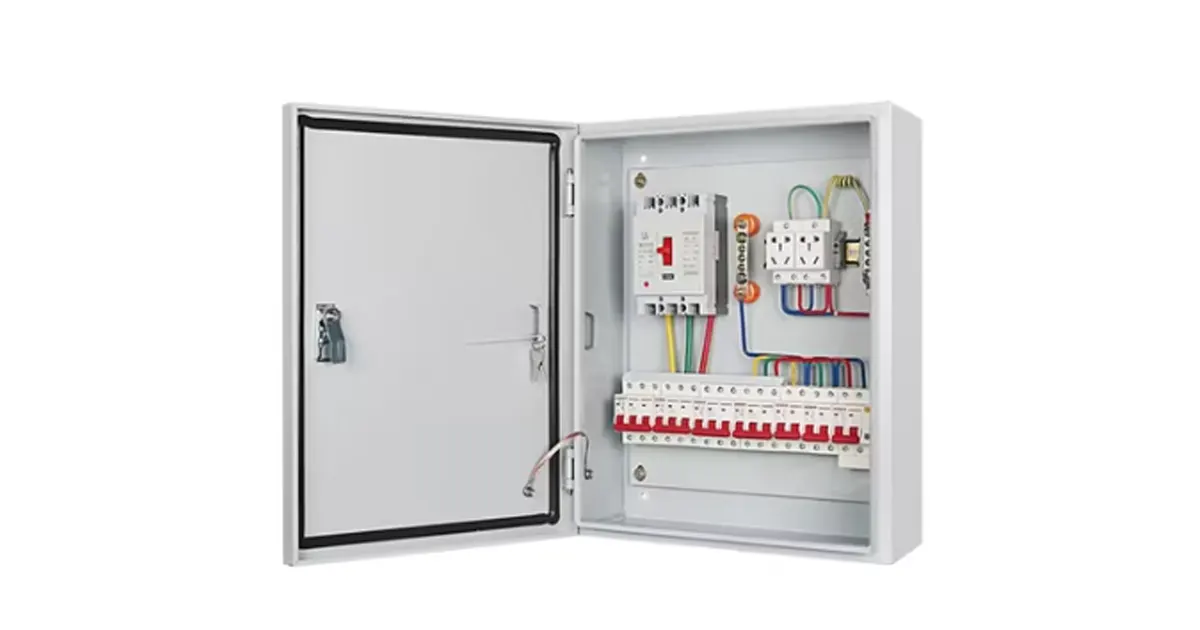
You might notice failures in your electrical panels without warning. Ground terminal corrosion often causes these issues. Moisture, condensation, and temperature swings inside cabinets create the perfect environment for corrosion. When humidity rises or leaks occur, metal parts start to oxidize. Dust and contaminants make things worse.
Proper cooling and ventilation keep your system safe. If you want answers to Why Do Ground Terminals Corrode? How to Prevent It with Proper Electrical Cabinet Cooling, understanding these risks is the first step.
Key Takeaways
- Moisture and temperature swings cause ground terminal corrosion. Control humidity to keep your electrical cabinets safe.
- Use proper cooling and ventilation systems to prevent condensation. This protects your equipment from corrosion and extends its life.
- Regular inspections and maintenance are crucial. Check for signs of moisture and replace filters to ensure optimal performance.
- Invest in corrosion-resistant materials for ground terminals. This choice enhances reliability and reduces maintenance costs.
- Implement sealing and gasketing to block dust and moisture. This simple step can significantly reduce corrosion risks.
Why Do Ground Terminals Corrode in Electrical Control Cabinets?
Moisture and Condensation Risks
You often see corrosion in electrical control cabinet ground terminals because moisture builds up inside the enclosure. Water can enter as vapor or liquid, and both forms cause problems. When humidity rises, the air inside the cabinet holds more water. If the temperature drops below the dew point, condensation forms on metal parts. This moisture starts the corrosion process. Studies show that water, whether as vapor or droplets, can damage electronic devices and lead to electrical panel corrosion. Dust and contaminants stick to wet surfaces, making corrosion worse. You must understand why do ground terminals corrode? how to prevent it with proper electrical cabinet cooling to protect your system.
Moisture is the main trigger for corrosion. You can reduce risks by controlling humidity and keeping the cabinet dry.
Temperature Fluctuations and Corrosion
Temperature swings inside an electrical control cabinet create more corrosion. When the cabinet cools at night or during weather changes, the air temperature drops below the dew point. This causes condensation to form on sensitive parts. High humidity increases the dew point, so condensation happens more often. You see corrosion start when moisture collects on ground terminals. If you ask why do ground terminals corrode? how to prevent it with proper electrical cabinet cooling, you need to manage temperature and humidity. Linkwell designs panel components to resist these conditions, using quality materials and smart engineering.
Impact on Electrical Panel Performance
Corrosion affects the performance of your electrical control cabinet. You notice higher resistance in connections, which can cause short circuits. Electrical panel corrosion leads to failures and more maintenance costs. Safety hazards like shocks or fires may occur. You must address why do ground terminals corrode? how to prevent it with proper electrical cabinet cooling to keep your system reliable. Linkwell’s expertise in panel design helps you avoid these issues. Their products use corrosion-resistant materials and strict quality standards to ensure long-lasting performance.
- Ground terminal corrosion increases resistance in electrical connections.
- Short circuits may happen.
- Electrical panel corrosion causes failures and higher maintenance costs.
- Safety hazards such as shocks or fires can arise.
How to Prevent Electrical Panel Corrosion with Proper Cooling and Ventilation
Controlling Humidity and Temperature
You can prevent electrical panel corrosion by managing humidity and temperature inside your control cabinets. Moisture and temperature swings create the perfect environment for corrosion. When you control humidity, you stop condensation from forming on metal parts. This keeps your ground terminals and other components safe.
Here are the most effective ways to control humidity and temperature:
- Heaters raise the internal temperature to stop condensation on cold surfaces.
- Dehumidifiers remove moisture from the air, which works well in damp locations.
- Desiccants absorb water vapor in places without power.
- Ventilation promotes air circulation and reduces trapped moisture.
- Purge systems replace humid air with dry air using timers or sensors.
Proper ventilation is essential for protection. Cooling and ventilation systems keep the temperature and humidity at safe levels. Forced ventilation replaces warm, moist air with cooler, drier air. This reduces the chance of condensation forming inside your electrical panels. You can also use anti-condensation coatings or non-metallic enclosures to slow down cooling rates and manage moisture.
Tip: Every 18°F rise in temperature inside an enclosure can cut the reliability of your electronics in half. Always use cooling and ventilation to protect your investment.
Linkwell Cabinet Ventilation Fan and Enclosure Heater Solutions
You can rely on Linkwell’s Cabinet Ventilation Fan and Enclosure Heater to provide strong protection against corrosion. These products help you maintain the right temperature and humidity inside your cabinets.
| Feature | Cabinet Ventilation Fan | Enclosure Heater |
|---|---|---|
| Smart Technology | IoT sensors for predictive maintenance | PTC heating element for quick, reliable heating |
| Energy Efficiency | Cuts facility power use by up to 27% | EC fan saves 40-60% energy |
| Reliability | Eco-friendly materials, 20+ innovation patents | Operates reliably for over 10,000 hours |
| Certifications | UL, CE, ISO 9001 | CE, UL, RoHS |
| Maintenance | Regular filter and fan checks recommended | Supports external thermostat for energy savings |
The Cabinet Ventilation Fan from Linkwell moves air efficiently, keeping your cabinet cool and dry. It comes in different sizes and voltages, so you can choose what fits your needs. The fan’s IP65 and IP68 ratings mean it works well even in harsh environments. You get long service life and strong airflow, which helps prevent corrosion.
The Enclosure Heater quickly raises the temperature inside your cabinet. It stops condensation before it starts. The heater uses a PTC element, which heats up fast and works for thousands of hours. You can connect it to a thermostat for smart energy use. This keeps your cabinet at a stable temperature and protects your electrical components.
Note: Large industrial fans can save up to 30% on energy costs. Smart fan modules with IoT sensors allow you to spot problems before they cause downtime.
When you select and maintain these products, follow these tips:
- Install the fan in a cool, well-ventilated area.
- Keep the area around the fan clean and free of dust.
- Position fans to draw cool air from the bottom and release hot air from the top.
- Use filters or fan guards to stop dust from clogging the fan.
- Clean or replace filters regularly.
- Choose rugged components with IP ratings for harsh environments.
- For heaters, use a thermostat or hygrostat to control humidity and save energy.
Cabinet Air Conditioner for Stable Environments
You can use a cabinet air conditioner to keep your electrical control cabinet at a stable temperature and humidity. This is important for protection against corrosion, especially in places with high heat or humidity.
| Mechanism | Purpose |
|---|---|
| Cooling Systems | Remove heat from electronic components to keep temperatures safe. |
| Heating Systems | Prevent low temperatures that can cause malfunctions or damage. |
| Humidity Control | Minimize condensation and corrosion by keeping humidity at the right level. |
| Ventilation | Provide constant airflow to prevent heat buildup. |
| Insulation | Shield equipment from temperature swings and outside weather. |
| Thermostats/Sensors | Monitor and adjust climate conditions for stability. |
A cabinet air conditioner from Linkwell gives you precise control over the environment inside your enclosure. It uses advanced cooling systems, heating elements, and humidity control to prevent electrical panel corrosion. The air conditioner also includes smart thermostats and sensors. These features help you monitor and adjust the climate inside your cabinet, so you always have the best protection.
Remember: Proper ventilation and cooling extend the life of your equipment, reduce maintenance costs, and keep your system safe.
When you choose a cabinet air conditioner, consider these points:
- Calculate the thermal load from your components.
- Think about the environment—humidity, dust, and sunlight all matter.
- Pick the right mounting location for best airflow.
- Use IP-rated units for outdoor or harsh settings.
- Clean filters and check for leaks or debris often.
By using Linkwell’s Cabinet Ventilation Fan, Enclosure Heater, and Cabinet Air Conditioner, you can prevent electrical panel corrosion and ensure long-term protection for your systems.
Additional Ways to Prevent Electrical Panel Corrosion
Sealing, Gasketing, and Outdoor Enclosures
You can boost the defense of your control cabinet box by sealing all conduit openings and using high-quality gaskets. Proper sealing keeps out moisture, dust, and contaminants. This step helps you avoid short circuits and ensures your equipment meets industry standards. When you use NEMA or IP-rated enclosures, you protect your cabinet from water, snow, and harsh chemicals. These ratings show that your control cabinet box can handle tough environments, including those with saltwater or industrial pollutants.
- Sealing extends the life of your equipment.
- It reduces the risk of corrosion and keeps your system safe.
- You maintain compliance with safety standards.
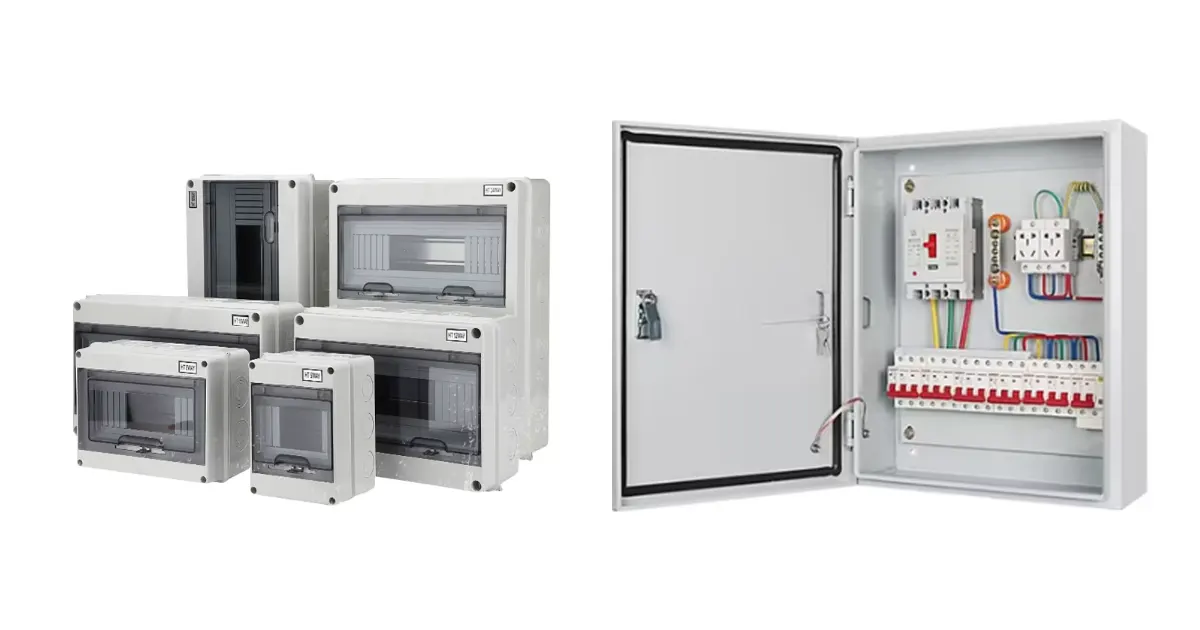
Linkwell’s outdoor enclosure options give you an edge. These enclosures use high-strength engineering plastics instead of metal. This material resists corrosion better, especially in humid or coastal areas. You get long-term protection for your control cabinet box, even in chemical plants or outdoor installations.
Tip: Always check gaskets and seals during routine maintenance. Replace them if you see cracks or wear.
Desiccants, Dehumidifiers, and VCI Solutions
You can add extra layers of protection inside your control cabinet box. Desiccants absorb moisture, which helps prevent corrosion by stopping electrochemical reactions. Dehumidifiers control humidity and keep the air dry. Vapor Corrosion Inhibitor (VCI) powders and films treat metal parts and stop rust without affecting electrical performance.
| Product | Advantage | Description |
|---|---|---|
| VCI Rustopowder | Positive rust prevention for metal parts | Treats vulnerable metal parts to prevent rust effectively. |
| Dehumidifier | Controls humidity within the environment | Absorbs and treats moisture inside a package for safe protection. |
Desiccants work passively but need regular replacement. If they become saturated, they can leak moisture back into the cabinet. You can also use dielectric grease on connectors. This grease seals gaps, blocks moisture, and forms a barrier against oxidation. It reduces the risk of electrical failures caused by rust.
Note: Always monitor moisture levels and replace desiccants or dehumidifiers as part of your cleaning routine.
Regular Inspection and Corrosion-Resistant Materials
You should inspect your control cabinet box often. Look for signs of corrosion, loose connections, or damaged coatings. Cleaning the inside of your cabinet removes dust and contaminants that can trap humidity. Regular maintenance helps you catch problems early and extend the life of your system.
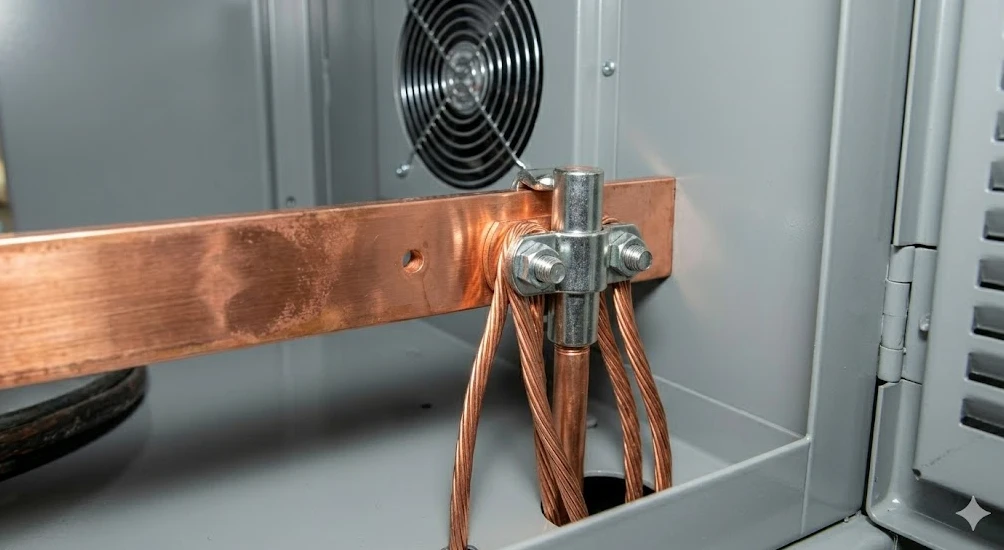
Choose ground terminal blocks made from copper, aluminum, or special alloys. These materials offer excellent conductivity and resist corrosion. Linkwell’s ground terminal blocks use PA66, which withstands high voltage and temperature. This material resists erosion from chemicals and microorganisms, making it ideal for harsh environments.
| Benefit | Description |
|---|---|
| Cost savings | Less frequent replacements and repairs due to durable materials. |
| Longer useful life | Materials can last over 20 years, reducing downtime. |
| Minimal maintenance | Less upkeep compared to traditional materials. |
| Corrosion resistance | Protects against harsh environments, ensuring long-term protection. |
| Impact resistance | Withstands physical impacts, keeping your cabinet safe. |
Cleaning, inspection, and using corrosion-resistant materials work together to provide the best long-term protection for your control cabinet box. Always keep up with maintenance and apply a fresh coating if you see any damage.
Conclusion
You now understand why ground terminals corrode and how you can stop it. Moisture, condensation, and temperature swings create the perfect storm for corrosion inside your electrical control cabinets. If you ignore these risks, you face higher maintenance costs, unexpected failures, and safety hazards.
You can take control by using the right cooling and ventilation solutions. Linkwell’s Cabinet Ventilation Fan, Enclosure Heater, and Cabinet Air Conditioner give you the tools to manage temperature and humidity. These products help you keep your panels dry, safe, and reliable. You also protect your investment and extend the life of your equipment.
Tip: Consistent cooling and regular maintenance are your best defense against corrosion.
Here’s a quick checklist you can use today:
- Inspect your cabinets for signs of moisture or rust.
- Install a Cabinet Ventilation Fan to improve airflow.
- Add an Enclosure Heater if you see condensation.
- Use a Cabinet Air Conditioner for precise climate control.
- Seal all conduit openings and check gaskets.
- Replace desiccants and clean filters on schedule.
- Choose corrosion-resistant ground terminal blocks.
- Schedule regular inspections and cleaning.
If you want long-term reliability, you need a complete approach. Cooling, sealing, and regular maintenance work together to keep your system safe. Linkwell offers customized solutions and 24/7 support. You can visit Linkwell’s website or contact their team for expert advice.
You have the power to prevent corrosion. Take action now and protect your electrical control cabinets for years to come.
You can stop corrosion in your electrical cabinets by using proper cooling and ventilation. Linkwell solutions give you long-term reliability. See how these solutions help:
| Key Challenges | Linkwell Solutions |
|---|---|
| Prevent Overheating | Keep temperatures below 35 °C to protect components and extend service life. |
| Block Dust & Moisture | Use sealed fans to keep out harmful particles and water. |
| Lower Energy Costs | Choose high-efficiency fans for better cooling and less energy use. |
To protect your panels right away, follow this checklist:
- Check for physical damage on conductors and covers.
- Inspect busbars for corrosion or loose connections.
- Test the grounding system for safety and performance.
For custom support, reach out to Linkwell’s team and keep your system safe.
FAQ
What causes ground terminal corrosion in electrical cabinets?
You see corrosion when moisture, condensation, and temperature swings affect metal parts. Dust and contaminants speed up the process. Proper cooling and ventilation help you prevent these issues.
How can you stop condensation inside your control cabinet?
You install an enclosure heater or cabinet air conditioner. These devices keep the internal temperature stable and prevent moisture from forming on surfaces.
Why should you use Linkwell ground terminal blocks?
Linkwell ground terminal blocks use corrosion-resistant materials. You get reliable performance and safety. The blocks meet international standards and handle high fault currents.
How often should you inspect your electrical cabinet?
You check your cabinet every three months. Look for signs of moisture, rust, or loose connections. Regular inspection helps you catch problems early.
What is the best way to maintain cabinet ventilation fans?
You clean filters and fan blades monthly. Replace filters if you see dust buildup. Proper maintenance keeps airflow strong and protects your equipment.