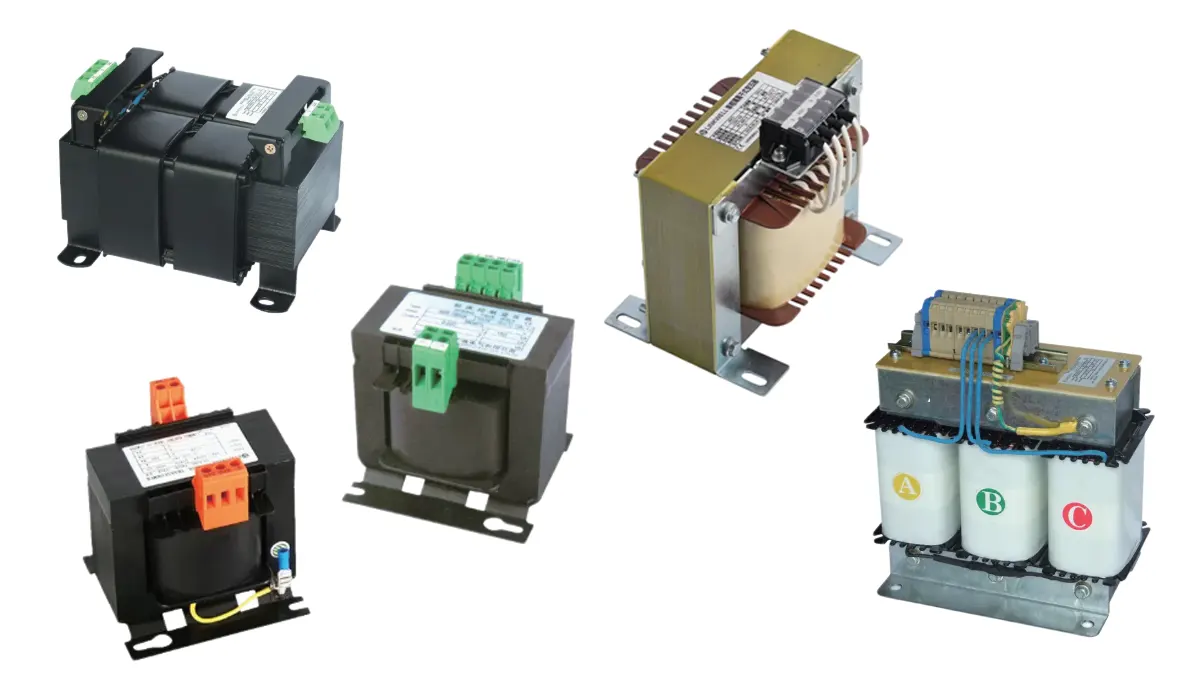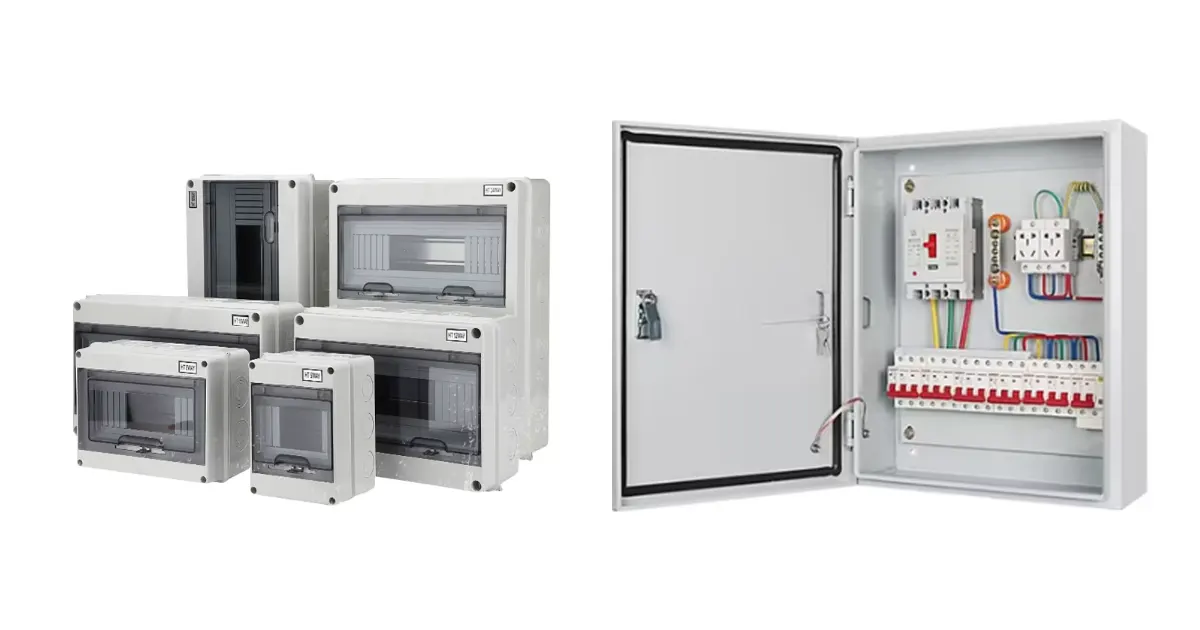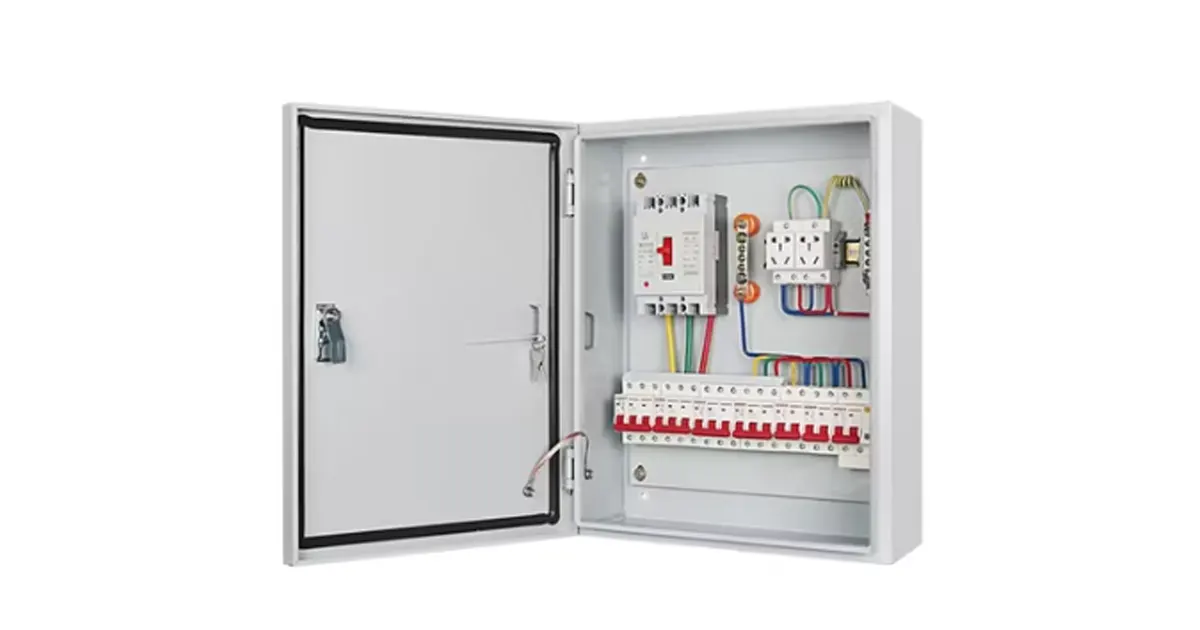
You face constant challenges when maintaining wind power cabinets, especially with the intense vibrations that wind turbines endure every day. These vibrations come from powerful aerodynamic forces and shifting mechanical loads, which can quickly wear out sensitive components. Uncontrolled vibrations often lead to mechanical failures and reduced energy output. That is why Wind Power Cabinets Need Vibration-Resistant Bimetal Thermostats. A reliable thermostat protects your equipment by keeping temperatures stable, even when the environment is tough and unpredictable.
Key Takeaways
- Vibration-resistant bimetal thermostats ensure stable temperatures in wind power cabinets, protecting sensitive electronics from extreme conditions.
- These thermostats are durable and certified to withstand harsh environments, reducing the risk of equipment failure and downtime.
- The mechanical snap-action design of bimetal thermostats allows for reliable operation even during power outages, ensuring continuous protection.
- Using Linkwell‘s bimetal thermostats can lead to lower maintenance costs and extended equipment life, making them a smart investment for wind power projects.
- Quick and easy installation on DIN rails saves time and effort, allowing for efficient setup and maintenance of wind power systems.
Challenges in Wind Power Cabinets
Vibration and Mechanical Stress
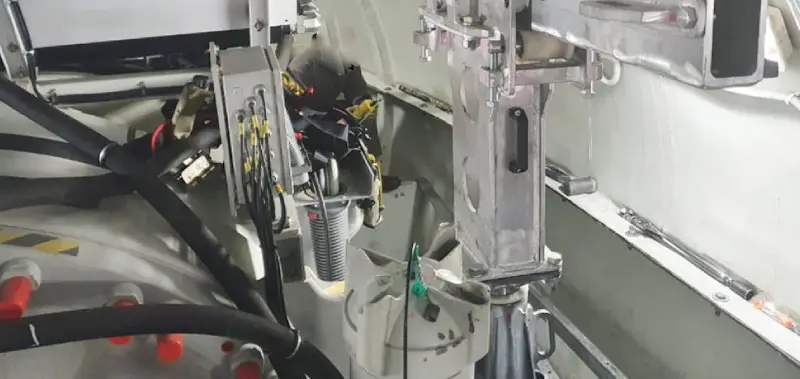
You often deal with strong forces inside wind power cabinets. Wind turbines create constant movement. This movement causes vibration, which can wear down parts, cause misalignment, and even lead to failures in important components. For example, main bearings need careful monitoring to spot early signs of wear or lubrication problems. Gearboxes can develop defects over time, and generators may face misalignment or electrical faults. These issues can stop your wind turbine from working well. Modern wind turbines use sensors to track these problems. By watching for early signs, you can fix issues before they become serious.
- Main bearings: Watch for wear and lubrication issues.
- Gearboxes: Look for defects and early damage.
- Generators: Check for misalignment and electrical faults.
Other sources of trouble include tower movement, yaw changes, and problems in the generator. Electrical system failures happen often but are usually quick to repair. Drivetrain failures do not happen as much, but they can cause long downtimes.
Temperature Fluctuations
Wind power cabinets face wide temperature swings. You might see temperatures drop as low as -30ºC (-22ºF) or rise as high as 55ºC (131ºF). These changes can stress your equipment. When temperatures shift quickly, metal parts expand and contract. This can loosen connections and damage sensitive electronics. Keeping a steady temperature helps your wind turbine work better and last longer.
Equipment Sensitivity
Some parts inside your wind power cabinet are more sensitive than others. The table below shows how different equipment reacts to temperature and vibration:
| Equipment Type | Sensitivity to Temperature | Sensitivity to Vibration |
|---|---|---|
| Gearbox | Needs oil temperature monitoring | Exposed to gearbox operations |
| Generator | Stator, rotor, and bearings need temperature checks | Feels vibration from spinning |
| Electrical Control Systems | Sensitive to temperature changes | Exposed to many vibration sources |
You should also pay attention to circuit breakers. They can be affected by rotating blades, gearbox movement, fast-spinning generators, and switching power converters. Protecting these sensitive parts is key to keeping your wind power system running smoothly.
Why Wind Power Cabinets Need Vibration-Resistant Bimetal Thermostats
Reliable Temperature Control
You need stable temperatures inside your wind power cabinets to protect sensitive electronics. Wind turbines operate in places where the weather changes quickly. If the temperature inside the cabinet rises or falls too much, your equipment can fail. This is why wind power cabinets need vibration-resistant bimetal thermostats. These devices use a bimetal disc that reacts to temperature changes. When the temperature reaches a set point, the bimetal thermostat switches on a fan, heater, or air conditioner. This keeps the temperature steady, even when the wind turbine shakes or vibrates. You can trust a bimetal thermostat to work without extra power. It uses a simple mechanical action, so it will not stop working if there is a power glitch. This reliability is important for wind power sites that are hard to reach.
Durability in Harsh Conditions
Wind power cabinets face strong vibrations, shocks, and extreme weather. You need a solution that can handle these tough conditions. That is why wind power cabinets need vibration-resistant bimetal thermostats. Linkwell’s bimetal thermostat is built for durability. It meets strict international standards for shock and vibration. The table below shows some of the key certifications that prove its strength:
| Certification Standard | Description | Relevance to Wind Power |
|---|---|---|
| DIN EN 60068-2-27:2010-02 | Shock and vibration testing | Ensures reliability in vibration-prone environments like wind power |
| DIN EN 60068-2-64:2009-04 | Environmental testing | Validates performance under various conditions |
| DIN EN IEC 61373:2011-04, cat. 1 B | Railway applications | Indicates suitability for similar vibration environments, including wind power |
You can see that these standards are not just for show. They mean the bimetal thermostat will keep working, even when your wind turbine faces strong winds and constant movement. Linkwell’s products are trusted by major brands like Siemens, ABB, and Schneider Electric. These companies use Linkwell’s bimetal thermostat in demanding environments because they know it will last.
Note: The Loop series heaters and bimetal thermostats are designed to withstand shocks and vibrations. They meet railway standards, which means they are robust enough for wind power applications.
Fail-Safe Operation
You cannot afford to have your wind power cabinet fail because of a faulty thermostat. That is why wind power cabinets need vibration-resistant bimetal thermostats. Linkwell’s bimetal thermostat uses a mechanical snap-action disc. This design does not need auxiliary power. If there is a power loss, the bimetal thermostat still works. It provides fail-safe operation, so your equipment stays protected. The bimetal thermostat can switch both cooling and heating devices. You can use it for fans, air conditioners, or heaters. This flexibility helps you keep your wind power cabinet safe in any season. The long life of over 100,000 cycles means you will not need to replace it often. You save time and money on maintenance.
When you choose Linkwell’s bimetal thermostat, you get:
- Reliable temperature control in all conditions
- Durability proven by international certifications
- Fail-safe operation that protects your equipment
- Trust from leading brands in the industry
This is why wind power cabinets need vibration-resistant bimetal thermostats. You get peace of mind, knowing your wind power system will keep running, no matter what the environment throws at it.
Bimetal Thermostat Solutions from Linkwell
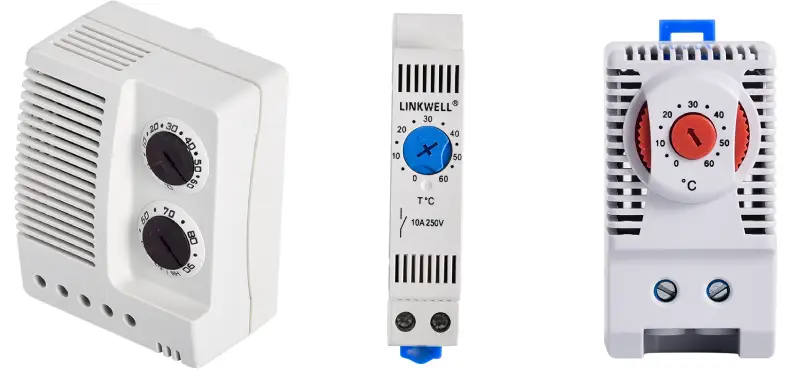
Mechanical Snap-Action Design
You need a bimetal thermostat that can handle the demands of wind power cabinets. Linkwell’s bimetal thermostat uses a mechanical snap-action design. This design gives you fast and accurate switching. The snap-action contact responds quickly to temperature changes, so your equipment stays protected. You do not need auxiliary power for this type of thermostat. The mechanical action ensures fail-safe operation, even during power interruptions. This feature increases reliability and reduces the risk of failure in harsh environments.
Here is a table that shows the main features of the snap-action design:
| Feature | Description |
|---|---|
| Type | Mechanical thermostat |
| Functionality | Controls filter fans and heaters |
| Mechanism | Snap-action contact |
| Mounting | Clips for vertical mounting on 35 mm DIN rail |
| Additional Feature | Integrated resistor for improved switch temperature difference |
You can use this bimetal thermostat for both cooling and heating. It works well with actuators and other control devices. If you have used pneumatic thermostats before, you will find the mechanical snap-action design much more reliable in vibration-heavy settings.
DIN Rail Mounting and Easy Installation
You want installation to be quick and simple. Linkwell’s bimetal thermostat mounts directly onto a 35 mm DIN rail. This method saves you time and effort. The compact design fits easily into tight spaces inside your wind power cabinet. You can add or remove components without major changes to your setup. This flexibility helps you maintain your system with less downtime.
The table below highlights the advantages of DIN rail mounting:
| Advantage | Description |
|---|---|
| Compact Design | Fits well in limited space, maximizing control panel efficiency |
| Modularity | Allows easy addition or removal of components for flexible configurations |
| Ease of Installation | Reduces setup time and effort, ideal for fast deployment and maintenance |
Certifications and Global Compatibility
You need products that meet international standards. Linkwell’s bimetal thermostat carries certifications like UL, TUV, and RoHS. These certifications show that the thermostat meets strict safety and environmental requirements. You can use it in projects around the world with confidence.
| Certification | Details |
|---|---|
| UL | E487478 |
| TUV | B1170792241003 |
| RoHS | Compliant |
When you choose Linkwell, you get more than just a bimetal thermostat. You get a solution that offers cost-effectiveness, long life, and proven reliability. Linkwell supports OEM and ODM orders, so you can customize your thermostat for your specific needs. This makes Linkwell a trusted partner for wind power applications everywhere.
Benefits for Wind Power Applications
Reduced Downtime
You want your wind turbines to keep running with as little interruption as possible. Linkwell’s bimetal thermostat helps you achieve this goal. The factory calibrated bimetal element responds quickly to temperature changes. It switches on fans or heaters before problems start. This fast action prevents overheating and condensation. You do not need to worry about frequent repairs. The thermostat’s reliability means fewer emergency stops and less time spent on maintenance. You can focus on generating power instead of fixing equipment.
Increased Safety
You care about safety in every part of your wind power system. The bimetal thermostat gives you peace of mind. It provides thermal safety by keeping temperatures within safe limits. If the cabinet gets too hot or too cold, the thermostat activates the right device. This protects sensitive electronics and reduces the risk of fire or electrical faults. The mechanical design works even during power loss, so you always have a backup. You can trust this device to keep your team and equipment safe.
Tip: Unlike pneumatic thermostats, the bimetal thermostat does not rely on air pressure. This makes it more reliable in remote or harsh locations.
Extended Equipment Life
You want your investment to last. Linkwell’s bimetal thermostat supports a long service life for your wind power equipment. It reduces wear and tear by keeping temperatures stable. The thermostat works well with actuators and other control devices. This compatibility helps your system run smoothly. You save money on replacements and enjoy better performance year after year.
| Benefit | How Linkwell Thermostats Help |
|---|---|
| Reduced Downtime | Fast response, fewer repairs |
| Increased Safety | Maintains thermal safety, reliable backup |
| Extended Equipment Life | Stable operation, less wear and tear |
You can see real advantages for your wind power projects. Linkwell’s solutions give you reliability, safety, and long-term value.
Conclusion
You want your wind power cabinets to run smoothly, even when the environment gets tough. Vibration-resistant bimetal thermostats play a key role in keeping your equipment safe and reliable. When you choose Linkwell, you get more than just a thermostat. You get a complete solution designed for the unique challenges of wind power applications.
Linkwell’s products stand out because they meet the demands of harsh weather, constant vibration, and sensitive electronics. You can see how each product supports your system in the table below:
| Product Type | Features | Benefits for Wind Power Cabinets |
|---|---|---|
| Thermostats | Handles extreme temperatures (-40°C to 85°C) | Reliable operation in harsh weather |
| Heaters | Consistent heating in cold environments | Prevents freezing, keeps systems functional |
| Terminal Blocks | Corrosion-resistant materials | Stable connections in humid or corrosive settings |
| IP65-rated Ventilation | Blocks dust and particles | Protects internal components from environmental damage |
| Wiring Ducts | Corrosion-resistant design | Long-lasting performance in tough conditions |
You can trust Linkwell’s bimetal thermostats to deliver:
- Reliable temperature control, even during power loss
- Durable performance in vibration-heavy environments
- Fail-safe operation that protects your investment
Note: Linkwell’s solutions are trusted by major brands worldwide. You get peace of mind knowing your wind power cabinets use components that meet strict international standards.
When you use Linkwell’s vibration-resistant bimetal thermostats, you reduce downtime, increase safety, and extend the life of your equipment. You make a smart choice for your wind power projects. If you want to protect your investment and keep your turbines running strong, consider Linkwell’s proven solutions for your next project.
You need vibration-resistant bimetal thermostats in wind power cabinets to keep your equipment safe and reliable. Linkwell’s smart controls, like thermostats and hygrostats, help prevent waste and condensation, so you spend less time on maintenance.
- Temperature and humidity control keeps your system running smoothly.
- Built-in thermostats and self-regulating heaters protect against condensation and cold.
| Application Area | Description |
|---|---|
| Wind Power Cabinets | Linkwell products deliver high safety and reliable performance, even in harsh environments. |
Choose Linkwell for dependable solutions that help your wind power projects succeed.
FAQ
What makes a bimetal thermostat suitable for wind power cabinets?
You get a bimetal thermostat that resists vibration and temperature swings. Its mechanical design works well in harsh wind turbine environments. You can trust it to keep your equipment safe and running smoothly.
Can you install the thermostat without special tools?
You can mount the device directly onto a standard DIN rail. The process is quick and does not require special tools. This makes installation easy, even in tight cabinet spaces.
How does the thermostat help prevent equipment failure?
You use the thermostat to control fans, heaters, or air conditioners. It reacts quickly to temperature changes. This action helps you avoid overheating or condensation, which can damage sensitive electronics.
Is the device certified for global use?
You can use the thermostat worldwide. It meets UL, TUV, and RoHS standards. These certifications show that the product is safe and reliable for many industrial applications.
Can one thermostat control both heating and cooling?
You can choose a model with SPDT contacts. This lets you manage both heating and cooling devices in the same cabinet. You get flexible temperature control for every season.