You often see vfd overheating in control cabinets, especially when dust accumulates or ventilation fails. This leads to repeated vfd trips and lower performance during production peaks. Poor spacing and high ambient temperatures also cause issues. You can prevent these problems by focusing on VFD Heat Dissipation and using reliable climate control solutions. Linkwell offers trusted products that help you maintain safe cabinet conditions and protect your vfd investment.
Key Takeaways
- Ensure strong airflow in VFD cabinets to prevent overheating. Use fan filter units to enhance ventilation and keep temperatures steady.
- Install cabinet air conditioners in high-temperature or sealed environments. This helps maintain stable temperatures and protects your VFD.
- Use thermostats for automatic climate control. Set temperature thresholds to activate cooling systems before overheating occurs.
- Monitor power quality to reduce overheating risks. Use voltage stabilizers and harmonic filters to maintain stable power delivery.
- Perform routine maintenance on fans and filters. Regular cleaning prevents dust buildup and ensures effective cooling.
Optimize VFD Heat Dissipation with Cabinet Ventilation
Importance of Airflow in VFD Cabinets
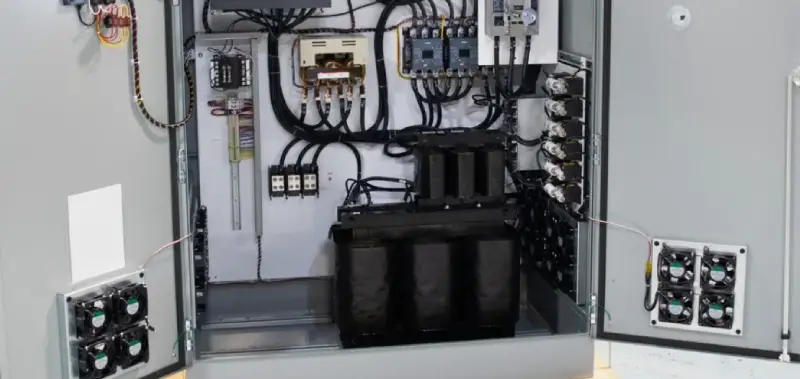
You need strong airflow to keep vfd heat dissipation under control. Air moves through the cabinet and removes hot spots around the vfd. When airflow drops, heat builds up and causes the vfd to trip or fail. Good ventilation keeps the temperature steady and improves efficiency. You protect your equipment and avoid costly downtime. Airflow also helps prevent dust and moisture from settling on sensitive parts.
Using Linkwell Fan Filter Units for Cooling
Recommended products
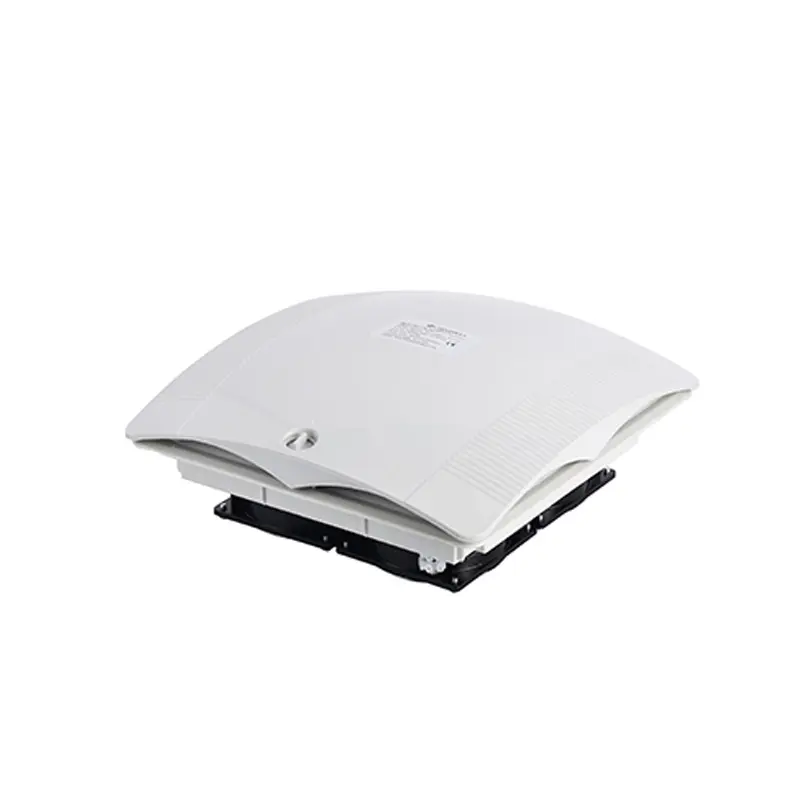
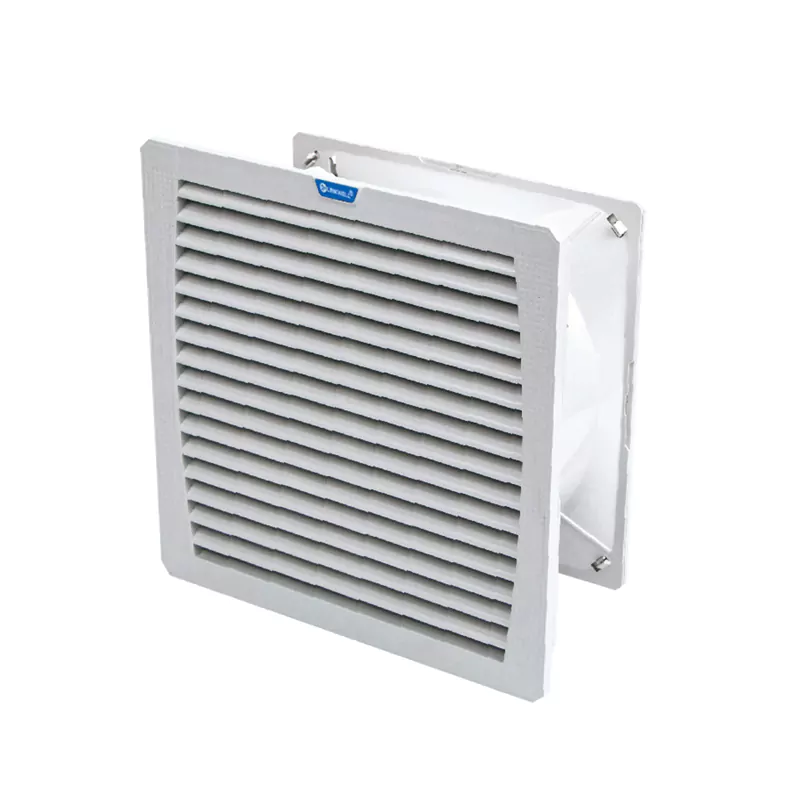
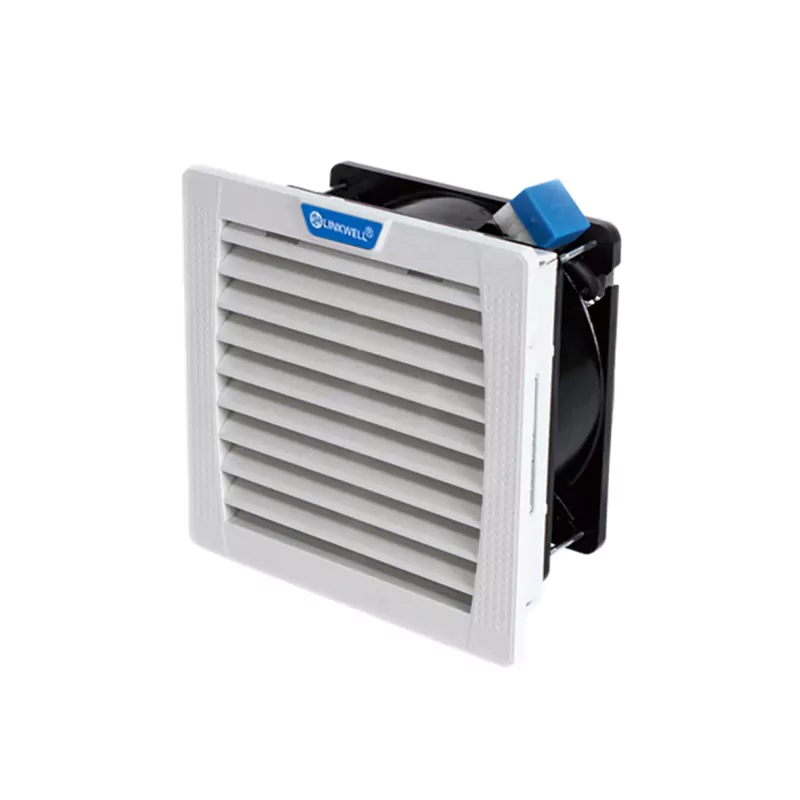
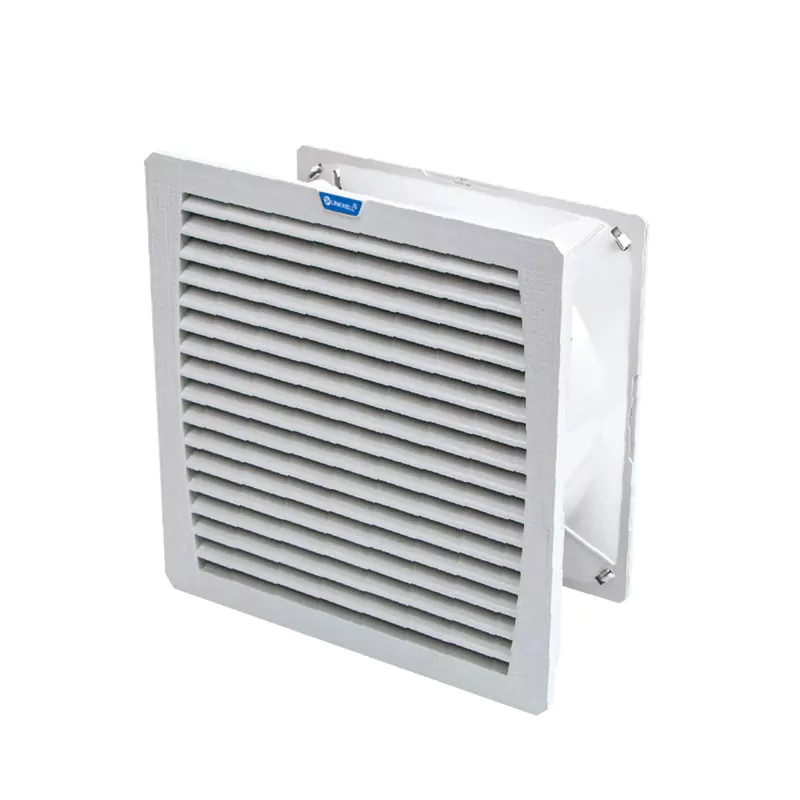
You can boost vfd heat dissipation by installing Linkwell fan filter units. These units pull cool air into the cabinet and push warm air out. The filters block dust and moisture, keeping your vfd safe. Linkwell offers electrical enclosure fans and ventilation systems that fit many cabinet sizes. You get reliable cooling and steady efficiency. The fan filter units work well in industrial settings and help extend the life of your vfd.
Installation Tips for Effective Ventilation
You improve vfd heat dissipation by following proven installation practices.
- Place the vfd in a spot with easy access for maintenance.
- Avoid areas with too much dust, moisture, or corrosive gases.
- Seal cable openings with brush grommets to stop air leaks.
- Seal gaps around the cabinet and walls to keep airflow steady.
- Block open spaces under racks so air does not escape below the cabinet.
- Install aisle end doors to control airflow in hot or cold aisles.
- Raise cooling unit air temperature set points as high as possible without going over the maximum intake air temperature for your equipment.
- Turn off extra cooling units when not needed to save energy and improve efficiency.
You should check filters and fans often. Clean or replace filters every few months. Make sure airflow stays strong and dust does not build up. These steps help you keep vfd heat dissipation at safe levels and maintain cooling performance.
Preventing VFD Overheating with Cabinet Air Conditioners
When to Use Cabinet Air Conditioners
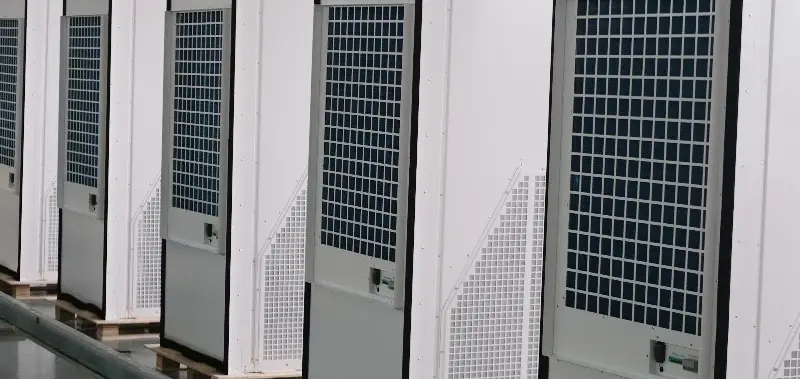
You face tough conditions when your vfd operates in high ambient temperatures or sealed cabinets. Sometimes, forced air cooling with filters cannot keep up. You need cabinet air conditioners in these situations:
- Ambient temperatures rise above 40°C or 50°C.
- Cabinets are sealed to protect against oil or contaminants.
- Air conditioning is not practical, and heat builds up inside.
- Proper enclosure ratings and filter maintenance are required for safe operation.
Cabinet air conditioners help you maintain stable temperatures and protect your vfd from overheating. You improve reliability and avoid costly trips or failures.
Linkwell Cabinet AC Units for Reliable Cooling
You can trust Linkwell Cabinet Air Conditioner and Top Mounted Cabinet Air Conditioner for efficient cooling. These units offer strong cooling capacity and energy-saving features. You get digital controls for precise temperature management. The units fit standard enclosures and handle harsh environments. You benefit from easy installation and low maintenance. Linkwell designs these air conditioners to keep your vfd safe and extend its life.
Here is a quick overview of Linkwell cabinet AC unit specifications:
| Feature | Specification |
|---|---|
| Cooling Capacity Range | 1000W – 1500W |
| Power Consumption | 450W – 850W |
| Temperature Control Range | +15°C to +40°C |
| Air Flow Volume | 300 – 600 m³/h |
| Power Supply | 220V/240V AC, 50/60Hz |
Sizing and Maintenance Best Practices
You select the right cabinet air conditioner by calculating the heat load inside your enclosure. Match the cooling capacity to your vfd and cabinet size. You check for sunlight exposure and other heat sources. You keep filters clean and inspect for leaks or debris. Regular maintenance ensures steady cooling and protects your vfd. You monitor temperature settings and adjust as needed for best performance. You prevent overheating and keep your equipment running smoothly.
Thermostat Control for Preventing Overheating
Role of Thermostats in VFD Cabinets
You need a thermostat to keep enclosure temperatures steady. Thermostats monitor the air inside your cabinet and turn cooling fans or heaters on and off. This action keeps the temperature within safe limits for your VFD. You avoid overheating and protect your equipment from sudden trips or failures. Thermostats help you maintain a stable environment, which is vital for preventing vfd overheating. You get peace of mind knowing your system reacts quickly to changes in enclosure temperatures.
Linkwell Bimetal Thermostat Integration
You can rely on the Linkwell Bimetal Thermostat for precise temperature control. This thermostat uses a snap-action disc made from two metals. It responds instantly to temperature changes without needing extra power. You mount it easily on a DIN rail and connect it to your cooling fans, cabinet air conditioners, or enclosure heaters. Linkwell’s Bimetal Thermostat works well with other Linkwell products, creating a complete climate control system. You benefit from a durable design that lasts over 100,000 cycles and meets international safety standards.
Tip: Integrate the Linkwell Bimetal Thermostat with your cooling devices for automatic climate management. This setup helps you keep enclosure temperatures stable and reduces the risk of preventing overheating.
Setting and Monitoring Temperature Thresholds
You set temperature thresholds based on your VFD’s safe operating range. Most thermostats let you choose a setpoint between 0°C and 60°C. You check your cabinet’s normal temperature and adjust the thermostat to activate cooling before the VFD reaches its limit. You monitor enclosure temperatures using digital displays or alarms. If the temperature rises too high, your thermostat triggers fans or air conditioners to cool the cabinet. You review settings regularly and update them as your equipment changes. This routine helps you stay ahead of overheating and keeps your VFD running smoothly.
Power Quality and VFD Overheating Risks
Impact of Voltage Fluctuations on VFDs
You often see voltage fluctuations in industrial environments. These changes can make your vfd work harder, causing it to generate excessive heat. When the power supply is unstable, your vfd must compensate for sudden drops or spikes. This extra effort increases the risk of vfd overheating. You may notice your equipment running hotter than usual or tripping more often. Overheating can damage sensitive electronics and shorten the lifespan of your vfd. Keeping power quality stable helps you avoid these problems and maintain reliable operation.
Note: Poor power quality is a hidden threat. You may not see immediate failures, but long-term exposure to unstable voltage can lead to overheating and costly downtime.
Solutions for Stable Power Supply
You can protect your vfd from overheating by using solutions that stabilize power delivery. Many industrial facilities use advanced voltage and frequency regulation to keep systems running smoothly. You may also integrate your vfd into intelligent power distribution setups. These methods help you maintain continuous and dependable operation.
- Install voltage stabilizers to reduce sudden spikes or drops.
- Use harmonic filters to minimize electrical noise and heat buildup.
- Add surge protection devices to shield your vfd from unexpected events.
- Connect your vfd to intelligent power distribution systems for enhanced stability.
Stable power supply reduces excessive heat and keeps your vfd safe during demanding production cycles.
Monitoring Power Quality in Control Cabinets
You improve reliability by monitoring power quality inside your control cabinets. Regular audits help you spot issues before they cause vfd overheating. Advanced analysis tools let you log data and report problems quickly. You can set up alarms to alert you when voltage goes out of range.
- Conduct power quality audits on a routine schedule.
- Use power quality analysis tools for detailed monitoring and reporting.
- Implement proactive maintenance strategies, such as checking surge protection and harmonic filters.
You should integrate these practices with Linkwell’s climate control ecosystem. This approach helps you maintain safe cabinet conditions and prevent overheating. You keep your vfd running efficiently and avoid unexpected failures.
Routine Maintenance for VFD Heat Dissipation
Cleaning Fans and Filters
You need to clean fans and filters regularly to keep your VFD cabinet running safely. Dust and debris can block airflow, causing vfd cooling failures. If you work in a dusty environment, you should check filters and fans more often. Cleaning can be done with a vacuum or compressed air, but you must avoid damaging the filter media.
- Check filters and fans every month in dusty areas.
- Clean filters and heat sinks quarterly in clean environments.
- Replace filters if you see damage or heavy buildup.
Tip: Clean filters and fans on a schedule to prevent vfd cooling failures and keep heat dissipation steady.
Inspecting for Blockages and Heat Buildup
You must inspect your cabinet for blockages and signs of heat buildup. Dust acts as insulation, trapping heat on heatsinks and blocking airflow through fans. This can lead to overheating before you notice any visible damage. Most unexplained faults in VFDs are thermal, not electrical. Poor airflow, high ambient temperatures, and dust-clogged filters cause performance issues.
Look for these signs:
- Drive temperatures near or above manufacturer specs.
- Multiple VFDs overheating in sequence.
- Higher failure rates during summer or near high-load machinery.
You should clear any blockages and check for dust buildup on fans, filters, and heatsinks. This helps you maintain safe cabinet conditions.
Maintenance Schedules for Linkwell Products
You benefit from Linkwell’s easy-to-maintain products. Linkwell fan filter units, cabinet fans, and exhaust fans are designed for quick cleaning and filter replacement.
- Inspect and clean filters every 3–6 months in clean environments.
- Check filters monthly in dusty or outdoor locations.
- Replace filters as needed to keep airflow strong.
- Inspect fans for noise or vibration and clean grills regularly.
You can follow these schedules to prevent vfd cooling failures and extend the life of your equipment. Linkwell products make maintenance simple, helping you avoid downtime and keep your VFD cabinet cool.
Continuous Monitoring to Prevent VFD Overheating
Benefits of Real-Time Temperature Monitoring
You gain many advantages when you use real-time temperature monitoring in your VFD control cabinets. This approach helps you spot problems before they cause failures. You can check temperatures in places that are hard to reach, like insulated bus bar junctions. You also connect your monitoring system to SCADA for advanced tracking and predictive maintenance. The table below shows key benefits:
| Benefit Description | Explanation |
|---|---|
| Continuous Real-time Monitoring | Ensures ongoing oversight of temperature levels, preventing overheating and potential failures. |
| Monitoring of Insulated/Inaccessible Bus Bar Junctions | Allows for temperature checks in hard-to-reach areas, enhancing safety and reliability. |
| SCADA Integration for Predictive Monitoring | Facilitates advanced monitoring and predictive maintenance, reducing downtime. |
Choosing Sensors and Alarms for Cabinets
You need the right tools for temperature monitoring in your cabinet. Choose sensors and alarms that fit your needs.
- Internal temperature sensors give you accurate readings and trigger alarms when temperatures rise.
- External sensors help you track the overall thermal environment.
- Remote monitoring systems send alerts if they detect abnormal temperatures.
- Infrared thermography lets you find hotspots during periodic inspections.
- Regular maintenance of cooling systems keeps your sensors working well.
You improve safety and reliability by using these devices. Linkwell solutions support easy integration with sensors and alarms, making your cabinet smarter and safer.
Responding to Overheating Alerts
You must act quickly when you receive an overheating alert.
- Check the cabinet for blocked airflow or dust buildup.
- Inspect fans, filters, and cooling units for proper operation.
- Adjust temperature settings or activate backup cooling if needed.
- Log the incident and review your maintenance schedule.
- Update your monitoring system to prevent future issues.
Tip: Set up automatic alerts with Linkwell digital controllers. This helps you respond faster and keeps your VFD safe from overheating.
You protect your equipment and reduce downtime by following these steps. Continuous temperature monitoring gives you the information you need to act before problems grow.
Conclusion
You now have a clear plan to prevent VFD overheating in your control cabinets. By following these six proven methods, you protect your equipment and keep your operations running smoothly. Each step helps you manage heat, improve reliability, and avoid costly downtime.
Here’s a quick recap of the top strategies:
- Optimize cabinet ventilation with fan filter units and exhaust fans.
- Use cabinet air conditioners for high-temperature or sealed environments.
- Install thermostats for automatic climate control.
- Monitor power quality to reduce heat risks.
- Perform routine maintenance on fans, filters, and ventilation systems.
- Set up continuous temperature monitoring with sensors and alarms.
Tip: Review your cabinet cooling setup every few months. Adjust your strategies as your equipment or environment changes. This habit keeps your VFD safe and extends its lifespan.
You gain peace of mind when you take a proactive approach. You spot problems early and fix them before they cause failures. Linkwell offers trusted products that make climate control simple and reliable. You can choose fan filter units, cabinet air conditioners, bimetal thermostats, and exhaust fans that fit your needs. These solutions help you maintain safe cabinet conditions and protect your VFD investment.
| Method | Linkwell Solution Example |
|---|---|
| Ventilation | Fan Filter Unit, Exhaust Fan |
| Air Conditioning | Cabinet AC Unit, Top Mounted AC |
| Thermostat Control | Bimetal Thermostat |
| Power Quality | Climate Control Ecosystem |
| Maintenance | Easy-to-clean Fans & Filters |
| Monitoring | Sensors, Digital Controllers |
You should always look for ways to improve your cabinet cooling strategies. Upgrading your climate control system ensures long-term VFD performance. If you need help, Linkwell provides 24/7 support and custom solutions for your project. Visit Linkwell’s official website to explore more options and get expert advice.
You can prevent VFD overheating by following six proven methods: ventilation, air conditioning, thermostat control, power quality monitoring, routine maintenance, and continuous temperature monitoring. Proactive heat dissipation and regular maintenance help you reduce energy use and extend equipment life. Linkwell solutions offer high airflow, compact thermostats, and certified protection. Review your cooling strategies often to ensure long-term performance.
| Outcome | Improvement Percentage | Lifespan Extension |
|---|---|---|
| Energy Consumption Reduction | 30-50% | N/A |
| Motor Life Extension | N/A | Up to 300% |
| Mechanical Stress Reduction | N/A | 5-7 years |
Certified products like Linkwell’s ensure reliable climate control and protect your VFD investment.
FAQ
How often should you clean cabinet fans and filters?
You should clean fans and filters every 3–6 months in clean environments. In dusty areas, check and clean them monthly. Regular cleaning keeps airflow strong and prevents overheating.
What is the best way to monitor cabinet temperature?
You can use digital thermostats or temperature sensors. These devices alert you when temperatures rise. Real-time monitoring helps you spot problems early and keeps your VFD safe.
Can you install Linkwell products in outdoor cabinets?
Yes, you can install Linkwell fan filter units and cabinet air conditioners in outdoor cabinets. These products have IP-rated protection. They resist dust, moisture, and harsh weather.
How do you choose the right cooling solution for your cabinet?
You should calculate the heat load and check the cabinet size. Select fan filter units for moderate heat. Choose cabinet air conditioners for high temperatures or sealed enclosures. Linkwell offers solutions for every need.