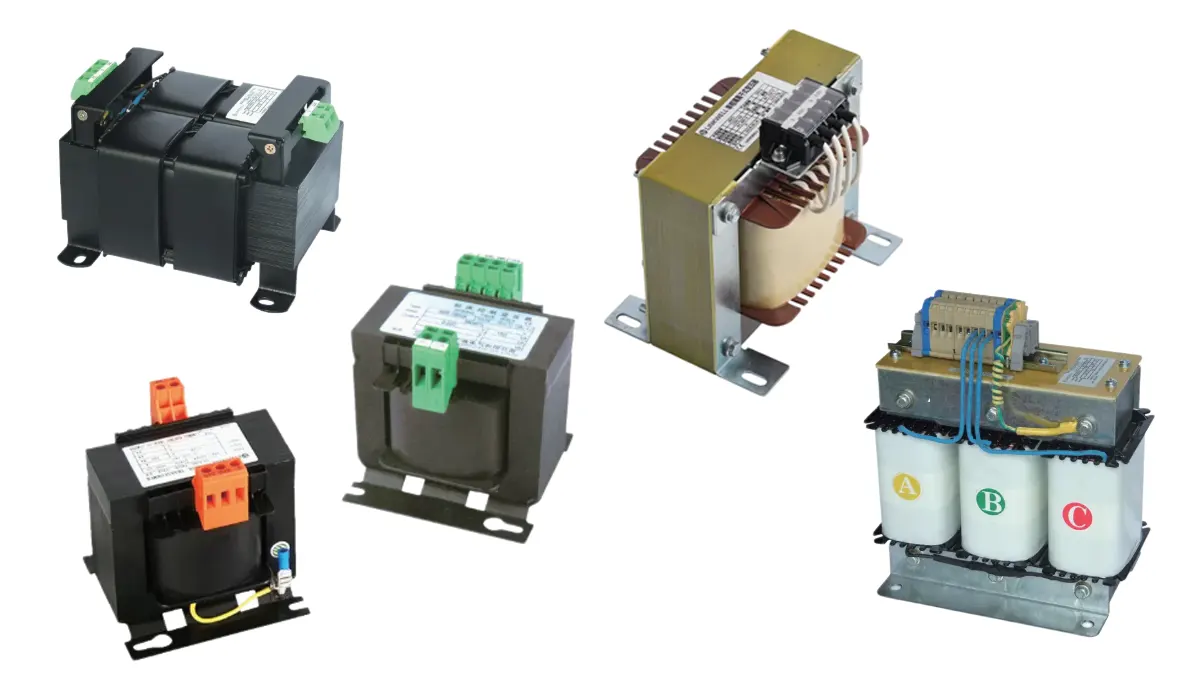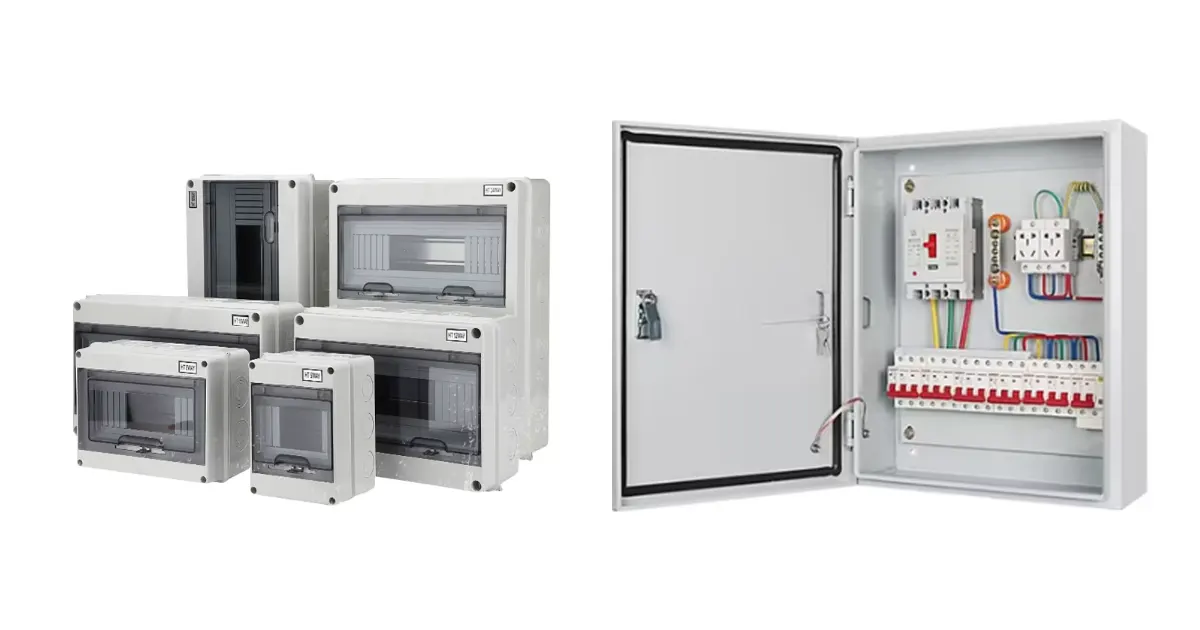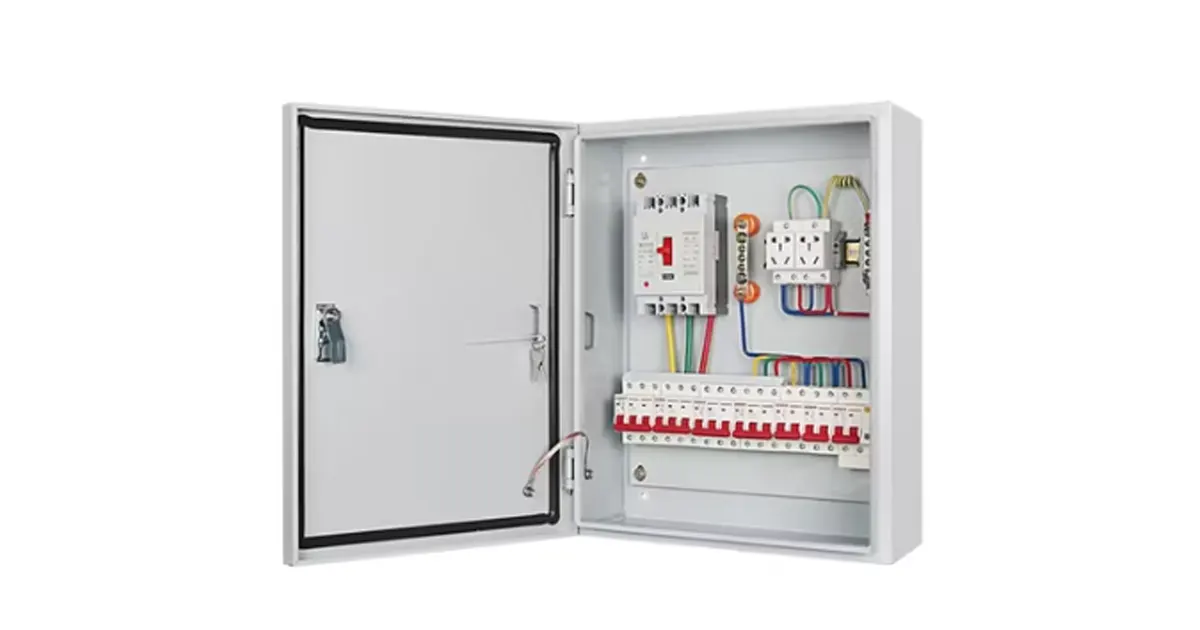
I see distribution terminals as the backbone of electrical panel wiring. These components organize, connect, and distribute power efficiently. For panel builders and maintenance teams, distribution terminals make every wire easy to trace and maintain.
I rely on these for safer, more organized, and scalable wiring. The table below shows how distribution terminals improve safety and efficiency in electrical wiring systems compared to traditional methods.
| Feature | Distribution Terminals | Traditional Wiring Methods |
|---|---|---|
| Wiring Color Coding | Clear color coding for different functions | Often lacks standardized color coding |
| Labeling | Accurate labeling for easy identification | May have unclear or no labeling |
| Modular Design | Allows quick replacement of faulty components | Requires whole unit replacement |
| Maintenance Efficiency | Reduces maintenance time by up to 30% | Longer maintenance times |
| Operational Safety | Enhances safety through clear visual cues | Higher risk of misoperation |
When I want reliable electrical panel accessories, I trust Linkwell for their certified and efficient distribution terminals.
Summary and Technical Insights
- Distribution terminals organize and connect wires in electrical panels, enhancing safety and efficiency.
- Clear labeling and modular designs of distribution terminals simplify maintenance and reduce wiring errors.
- Linkwell distribution terminals meet strict international safety standards, ensuring reliability in demanding environments.
- Custom options from Linkwell allow for tailored solutions that fit specific project needs, improving scalability.
- Using distribution boxes and ground terminal blocks enhances safety by providing secure connections and preventing electrical hazards.
Distribution Terminals in Electrical Panels
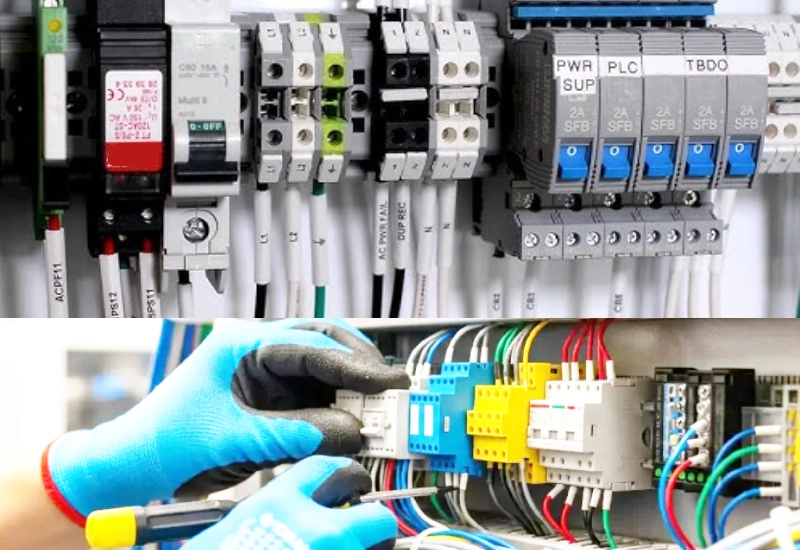
What Are Distribution Terminals
I see distribution terminals as essential components in electrical panels. They organize wiring and provide secure connections for every circuit. When I work on electrical systems, I rely on these terminals to distribute electrical power safely and efficiently. Distribution terminals act as the main hub for connections, making it easier to manage complex wiring. In my experience, these terminals simplify maintenance and reduce the risk of wiring errors. I use them in power distribution applications, industrial automation, and control panels because they keep electrical connections clear and accessible.
Distribution terminals help group wires logically, which makes troubleshooting much faster.
Structure and Function
Every distribution terminal has a specific structure that supports its function in electrical systems. I often examine the main components before installation. The table below shows the typical parts and their roles:
| Component | Description |
|---|---|
| Current-Carrying Core | The internal metal part that carries current, usually copper or brass, which affects ratings. |
| Securing Mechanism | Defines the terminal type (screw, spring, push-in) and ensures reliable connections. |
| Types of Terminal Blocks | Includes screw-clamp, spring-clamp, and push-in types, each with unique benefits. |
| Advantages of Terminal Blocks | Improves organization, safety, flexibility, and cost-effectiveness in electrical systems. |
I choose distribution terminals with the right securing mechanism for each project. Screw-clamp types work well for high-current connections. Spring-clamp terminals save time during installation. Push-in types offer quick and tool-free connections. These options let me match the terminal to the specific needs of the electrical system.
Distribution terminals do more than just connect wires. They organize wiring, simplify future upgrades, and make electrical connections safer. I find that modular types allow me to expand or reconfigure panels without major changes. This modularity supports scalability, which is important when I need to add new circuits or upgrade equipment. Clear layouts and detailed documentation also help me maintain and upgrade electrical systems with confidence.
Linkwell Distribution Terminal Solutions
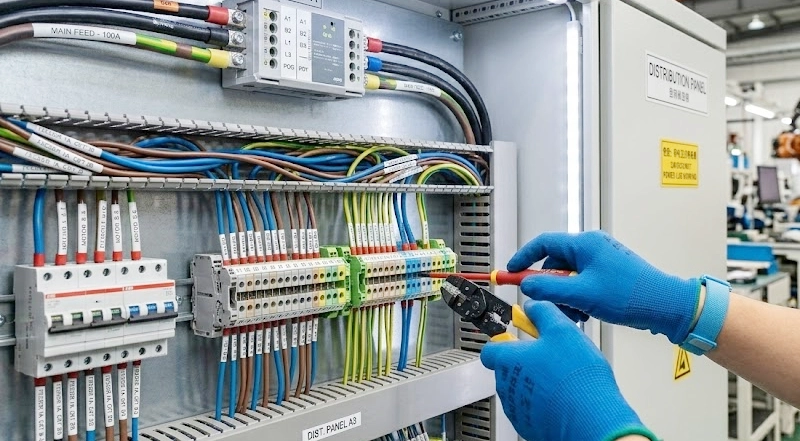
I always recommend Linkwell distribution terminals for demanding projects. Linkwell uses high-quality engineering plastics for their terminal housings. This material resists corrosion and does not rust, even in humid environments. I appreciate the lightweight design, which reduces labor costs during installation. The terminals have high mechanical strength, so they withstand impacts and rough handling.
| Feature | Linkwell Distribution Terminals | Other Leading Brands |
|---|---|---|
| Material Properties | High-quality engineering plastics | Traditional metal enclosures |
| Corrosion Resistance | Excellent, does not rust | Prone to rust in humid areas |
| Insulation | Superior, non-conductive | Varies, often conductive |
| Weight | Lightweight | Heavier, increases labor cost |
| Impact Resistance | High mechanical strength | Varies, often less durable |
| Customization Capability | Professional OEM/ODM services | Limited customization options |
| Protection Performance | High IP ratings (IP65/IP66/IP67) | Varies, often lower ratings |
I trust Linkwell because their distribution terminals meet strict international standards. These include CE, RoHS, and REACH certifications. I also see UL and IEC compliance, which gives me confidence in their safety and quality.
| Certification/Standard | Description |
|---|---|
| CE | Conformité Européenne, indicating compliance with EU safety standards |
| RoHS | Restriction of Hazardous Substances, ensuring limited use of hazardous materials |
| REACH | Registration, Evaluation, Authorisation and Restriction of Chemicals, focusing on chemical safety |
When I face challenges like design changes or compatibility issues, Linkwell’s customization options help me adapt quickly. Their terminals fit different panel sizes and layouts, which solves problems with size and capacity. I also value their clear labeling and modular design, which make documentation and revision control much easier.
Linkwell’s modular distribution terminals allow me to break systems into functional blocks. This makes upgrades and maintenance simple, without disrupting the entire panel.
In my projects, I see rising pressure to finish work faster. Labor shortages and supply chain issues make efficiency critical. Linkwell’s terminals support automation and reduce operational costs by making connections straightforward and reliable. I can group components logically, ensure proper ventilation, and keep documentation up to date. This approach keeps electrical systems scalable and ready for future needs.
Distribution Block and Terminal Block Applications
Distribution Block Features
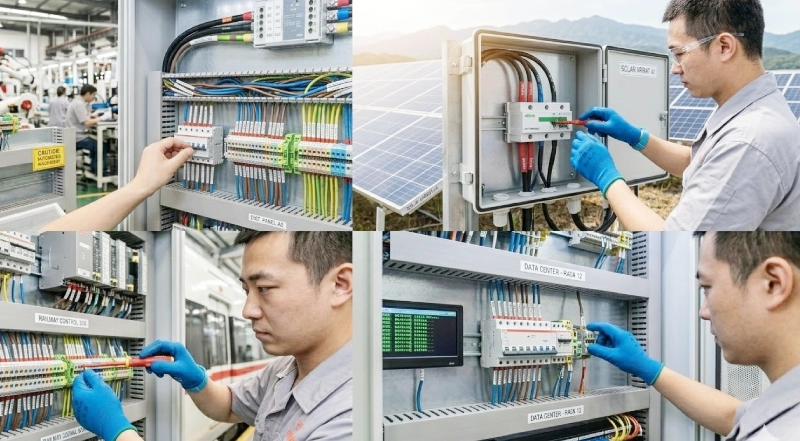
I use a distribution block whenever I need to split power from one source to several output terminals. This makes wiring in control panels and power cabinets much more organized. The distribution block supports multiple circuits, which helps me keep everything neat and safe. I always check the current rating and voltage before choosing a distribution block. This ensures the block can handle the electrical load for all output terminals. I also look for flexible mounting options, so the distribution block fits perfectly in any enclosure.
| Feature | Description |
|---|---|
| Current Rating and Voltage | Ensures the distribution block can handle the electrical load without overheating or causing issues. |
| Number and Type of Connections | Includes options like screw terminals and spring terminals, important for compatibility with wiring. |
| Mounting Options and Compatibility | Ensures the distribution block fits with the electrical panel or enclosure for seamless integration. |
I often select Linkwell distribution block models because they offer color markers for circuit identification and pluggable connectors for quick-disconnect needs. These features help me manage complex applications with many circuits and output terminals.
Terminal Block Connector Uses
Terminal block connectors play a big role in my daily work. I rely on them for secure and organized wire connections in control panels, power distribution panels, and industrial automation systems. These connectors help me maintain safety and simplify maintenance. I can easily test circuits or replace wires without disturbing the rest of the system.
- Provide secure and organized wire connections.
- Essential for maintaining safety in electrical systems.
- Simplify maintenance and allow for easy testing.
I use terminal block connectors in applications where I need to connect several output terminals and keep circuits clearly separated. This approach reduces the risk of wiring mistakes and makes troubleshooting much faster.
| Type of Electrical Panel | Usage Description |
|---|---|
| Control Panels | Commonly utilize terminal blocks for organized wiring and secure connections. |
| Power Distribution Panels | Use terminal blocks to ensure reliable electrical distribution and safety. |
| Industrial Automation Systems | Employ terminal blocks for efficient wiring management and maintenance. |
Linkwell Terminal Block Advantages
I always recommend Linkwell terminal block products for demanding applications. These terminal blocks include built-in protection from overloads and short circuits, which keeps equipment safe. Linkwell terminal block models pass tough international tests, so I trust them in harsh environments. The organizational benefits stand out, as these terminal blocks keep circuits safe and wiring neat, making maintenance much easier.
| Advantage | Description |
|---|---|
| Safety Features | Built-in protection from overloads and short circuits ensures equipment safety. |
| Compliance with Industry Standards | Products pass tough international tests, suitable for harsh environments. |
| Organizational Benefits | Helps keep circuits safe and wiring neat, facilitating maintenance. |
I appreciate the modular design of Linkwell terminal block products. I can create custom configurations by combining different modules. The interlocking design lets me assemble a continuous strip, which saves space in control cabinets. I also use color marker kits and parallel bridging to simplify multi-circuit distribution. These customization options help me meet the needs of any application, no matter how complex.
Tip: Linkwell distribution block and terminal block products feature insulated barriers and robust materials. This helps prevent short circuits and accidental contact, which is essential for compliance with safety regulations.
Distribution Box and Ground Terminal Block Benefits
Distribution Box Safety and Efficiency
I always choose a distribution box when I want to improve safety and efficiency in power distribution panels. The distribution box organizes every wire and terminal box, which helps me keep the system neat. I notice that clear labeling and grouping of wires inside the distribution box make maintenance much faster. When I open a terminal box, I can quickly identify circuits and connections. This organization reduces downtime and helps me troubleshoot issues without confusion.
- The distribution box protects electrical connections from dust, moisture, and accidental contact.
- It simplifies troubleshooting by keeping all terminal box connections visible and accessible.
- I find that maintenance becomes more efficient because I can trace wires easily.
- Grouping wires in the distribution box lowers the risk of wiring mistakes and electrical hazards.
I trust Linkwell distribution box products because they meet strict safety standards. The table below shows the certifications that give me confidence in every terminal box I install:
| Certification | Description |
|---|---|
| UL | Meets international safety standards. |
| CE | Complies with European safety standards. |
Ground Terminal Block Role
Ground terminal blocks play a critical role in every terminal box and distribution box I wire. I rely on these components to provide secure grounding connections. This step is essential for safety and reliability in any power system. When I use a ground terminal block, I know it creates a low-resistance path for fault current. This path ensures that excess current flows safely into the earth, which prevents electric shock and fire hazards.
- Ground terminal blocks prevent electrical hazards by providing secure grounding.
- They create a safe route for fault current, protecting both equipment and people.
- I see fewer electrical issues because the ground terminal block keeps connections stable.
The table below highlights how ground terminal blocks contribute to reliability in different applications:
| Application Area | Contribution to Reliability |
|---|---|
| Transportation Systems | Stable grounding for signaling, protects electronics from surges, supports emergency systems. |
| Solar PV Installations | Grounds frames, protects inverters, ensures bonding in wind farms, supports grid safety. |
Linkwell Distribution Box Solutions
I always recommend Linkwell distribution box and terminal box solutions for demanding environments. Linkwell designs each distribution box to meet IEC 61439 and UL 508A standards. These certifications ensure that every terminal box and distribution box is tested for safety and performance. I see that Linkwell uses high-quality materials, which means the distribution box resists corrosion and handles high voltage and current without problems.
| Certification Standard | Description |
|---|---|
| IEC 61439 | Ensures compliance with international electrical safety. |
| UL 508A | Guarantees performance and safety in power distribution. |
I find that Linkwell ground terminal blocks offer several advantages:
- I can reuse them, which saves time and money during maintenance.
- The design speeds up wire connections and prevents loose ends.
- Each terminal box stays organized, and the compact size fits even in tight spaces.
- Modular expansion lets me modify circuits in the distribution box without hassle.
When I install a Linkwell distribution box, I know I am providing the highest level of safety and reliability for every power system. The combination of strong protection, clear labeling, and international certifications makes Linkwell my first choice for any terminal box or distribution box project.
Conclusion
I always notice a big difference in electrical panels when I use distribution terminals, blocks, and boxes. These components help me keep wiring organized, safe, and ready for future changes. I find that clear labeling and modular designs save me time during installation and maintenance. When I choose Linkwell products, I know I am getting solutions that meet strict international standards and offer real advantages in daily work.
Linkwell’s distribution terminals, terminal blocks, and distribution boxes stand out for several reasons:
- Certified Safety: Every product meets UL, CE, and IEC standards. I trust these certifications because they mean the components have passed tough tests for safety and performance.
- Custom Options: I can order custom sizes, layouts, and materials. This flexibility helps me match the exact needs of each project.
- Easy Installation: Features like pre-cut cable entries and labeled terminals make setup fast and reduce mistakes.
- Strong Protection: High IP ratings keep dust and water out, so I can use these boxes in harsh environments without worry.
When I want to upgrade an old panel or design a new one, I always review the current wiring setup. I look for places where better organization or safer connections could help. I recommend switching to Linkwell’s certified solutions for anyone who wants to improve safety, efficiency, and future scalability.
| Benefit | How Linkwell Helps |
|---|---|
| Safety | Certified, tested, and reliable |
| Organization | Modular, labeled, and color-coded |
| Scalability | Easy to expand or reconfigure |
| Customization | Tailored to project requirements |
I encourage every panel builder and maintenance team to prioritize safety and efficiency. Choosing the right accessories makes a real difference. With Linkwell, I know my panels stay organized, safe, and ready for whatever comes next.
I always notice that using distribution terminals, blocks, and boxes brings order and safety to every panel I build. Linkwell products help me prevent wiring errors, keep circuits organized, and make upgrades simple. The table below shows how these features work together:
| Feature | Benefit |
|---|---|
| Organized design | Fewer wiring mistakes |
| Clearly marked terminals | Easy identification and maintenance |
| Centralized layout | Faster troubleshooting |
I recommend reviewing your current panel setup. Upgrading with Linkwell’s certified accessories means safer, more efficient, and flexible wiring. Prioritize safety, organization, and customization for every project.
FAQ
What is the main purpose of a distribution terminal?
I use distribution terminals to organize and connect wires in electrical panels. These terminals help me distribute power safely to multiple circuits. Clear labeling and modular designs make maintenance easier and reduce wiring mistakes.
How do Linkwell distribution blocks improve panel safety?
Linkwell distribution blocks feature high-quality insulation and certified materials. I trust their UL and CE certifications. These blocks prevent accidental contact and short circuits, which keeps my panels safer in demanding environments.
Can I customize Linkwell terminal blocks for my project?
I often request custom sizes, layouts, and materials from Linkwell. Their OEM and ODM services let me match terminal blocks to my exact project needs. This flexibility helps me solve unique wiring challenges.
Why should I use ground terminal blocks in my panels?
Ground terminal blocks create a secure path for fault current. I rely on them to protect equipment and people from electrical hazards. Linkwell’s color-coded blocks make identification simple and ensure compliance with safety standards.
Are Linkwell distribution boxes suitable for outdoor installations?
I choose Linkwell distribution boxes for outdoor projects because they offer IP65 and IP66 protection. These boxes resist dust and water. Their anti-corrosion design keeps my electrical connections safe in harsh weather.