Voltage standards change from country to country, so you need to pay close attention when designing or choosing industrial equipment in the USA. If you ask, “What is the Voltage in USA A Guide for Industrial Electrical Equipment?” you’ll find that ANSI C84.1 and other standards list these common voltage levels:
| 120 Volts | 208 Volts | 240 Volts |
| 277 Volts | 347 Volts | 480 Volts |
| 600 Volts |
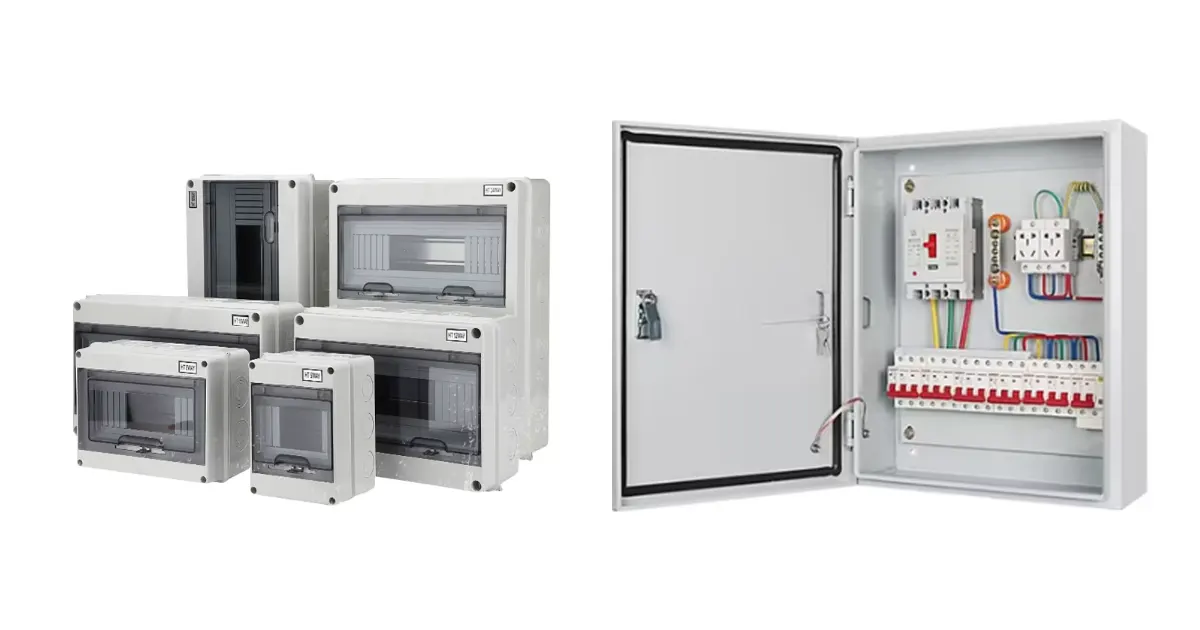
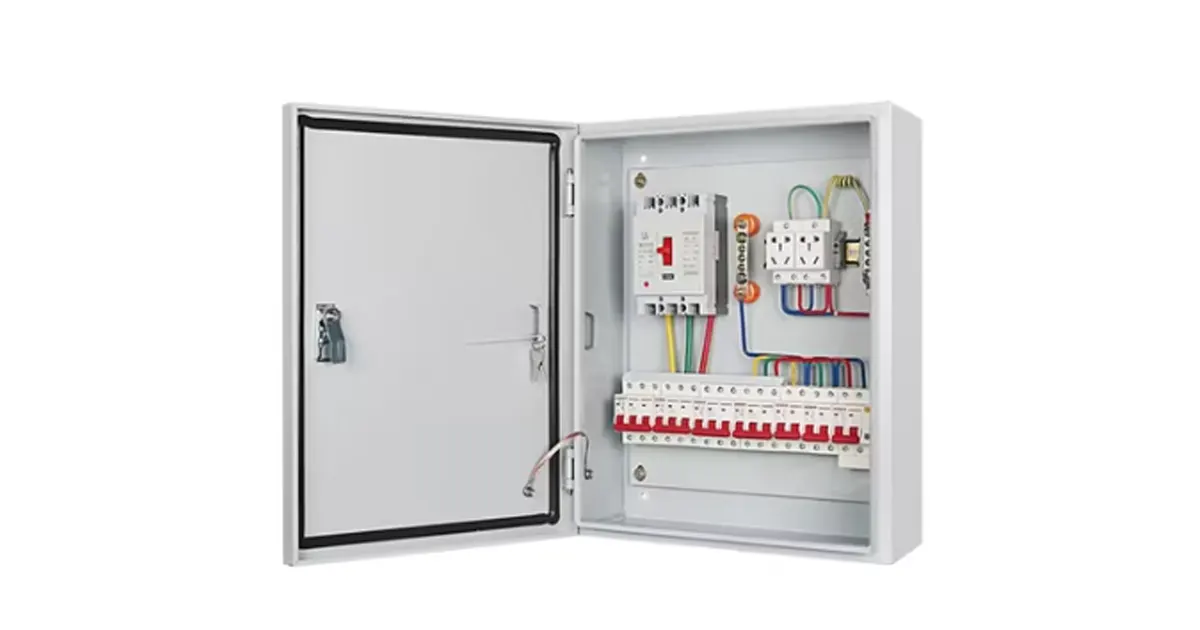
You must match cabinet components, like those from Linkwell, to these voltage requirements for safe and reliable performance.
Key Takeaways
- Know the common voltage levels in the USA: 120V, 208V, 240V, 277V, 347V, 480V, and 600V. Each serves a specific purpose in industrial settings.
- Always match your equipment to the correct voltage and frequency. This prevents damage and ensures safe operation.
- Understand the difference between service voltage and utilization voltage. Both are crucial for selecting the right industrial equipment.
- Follow ANSI C84.1 and other electrical standards to avoid safety hazards and ensure compliance in your facility.
- Regularly check and maintain your equipment to prevent issues like voltage drop and overvoltage, which can lead to costly downtime.
What Is the Voltage in USA? A Guide for Industrial Electrical Equipment
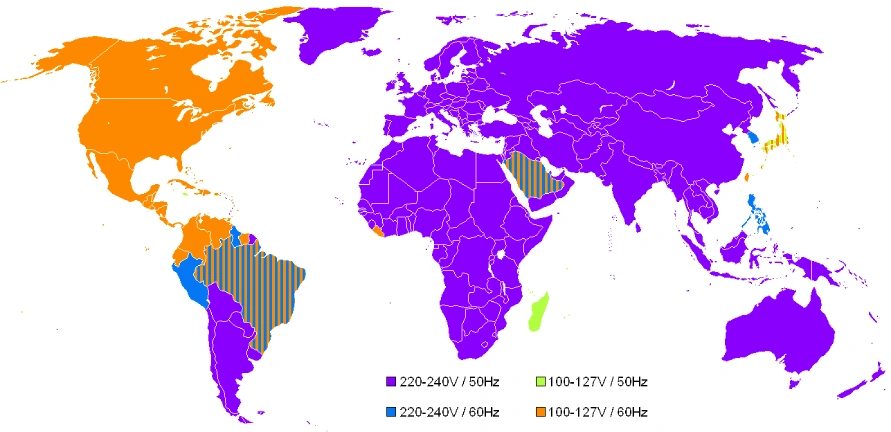
If you work with industrial electrical equipment, you probably ask yourself, “what is the voltage in usa a guide for industrial electrical equipment?” This question matters because the voltage and frequency you choose will affect every part of your project, from design to installation. In the United States, you see specific voltage levels used in almost every industrial setting. These voltage levels follow strict standards, like ANSI C84.1, to keep your equipment safe and compatible.
Common Industrial Voltage Levels
You need to know the normal voltage ranges before you select any component. The most common voltage levels in the USA include 120V, 208V, 240V, 277V, 347V, 480V, and 600V. Each voltage level serves a different purpose. For example, 120V and 240V are typical for smaller machines, while 480V and 600V are common for heavy-duty industrial systems. You will see these voltage levels listed as nominal voltage values, which means the voltage levels you expect under normal conditions.
Let’s break down the voltage levels you’ll encounter:
- 120V: Used for control circuits and small devices.
- 208V: Found in three phase systems for light industrial loads.
- 240V: Powers medium-sized equipment.
- 277V: Used mainly for lighting in commercial and industrial buildings.
- 347V: Common in Canadian systems but sometimes seen in US industrial setups.
- 480V: The go-to voltage for large motors and heavy machinery.
- 600V: Used in high-power industrial applications.
You must match your equipment to these voltage levels. If you use the wrong voltage, you risk damaging your machines or creating safety hazards. That’s why you see so many references to voltage and frequency in every industrial manual.
Three phase power dominates industrial environments. You might wonder why three phase is so popular. Here’s a quick comparison:
| System Type | Prevalence in Industrial Settings | Applications |
|---|---|---|
| Three-Phase | High | Heavy machinery, high-load applications |
| Single-Phase | Low | Residential, light commercial use |
Three phase systems provide smoother and more reliable energy delivery. They are essential for powering heavy machinery and high-load equipment in industrial settings. The efficiency and stability of three phase systems support various sectors of the economy. You will see three phase voltage levels in almost every industrial panel or cabinet.
Linkwell understands these voltage levels and three phase requirements. The company designs cabinet components that fit US voltage levels, so you get reliable performance and safety. When you choose Linkwell, you know your equipment will match the right voltage and frequency.
Frequency and Phase in US Systems
You can’t talk about voltage levels without mentioning frequency and phase. In the United States, the standard frequency is 60 Hz. This frequency keeps your equipment running smoothly and ensures compatibility across different voltage levels. If you use equipment designed for a different frequency, you might see overheating, noise, or even failure.
| Aspect | Details |
|---|---|
| Standard Frequency | 60 Hz |
| Phase Configuration | Single Phase, Split Phase, Three Phase |
| Phase Type | Wye with Neutral, Delta |
You will find three phase systems in most industrial environments. These systems use either a wye (with neutral) or delta configuration. The choice depends on your voltage levels and the type of equipment you run. Three phase power gives you more flexibility and efficiency, especially when you deal with high-power machines.
When you design or upgrade your industrial panels, always check the voltage and frequency. Make sure your transformers, control circuits, and cabinet accessories match the nominal voltage and three phase requirements. Linkwell offers a full range of solutions for every voltage level and three phase setup, so you can trust your system will meet US standards.
You now have a clear answer to “what is the voltage in usa a guide for industrial electrical equipment.” You know the voltage levels, the importance of three phase, and how voltage and frequency shape your choices. With this knowledge, you can select the right components and keep your operations safe and efficient.
Electrical Standards and Regulatory Bodies
When you work with industrial equipment in the United States, you need to follow strict electrical standards. These standards protect your workers, your facility, and your investment. If you ignore voltage and frequency standards, you risk equipment failure, safety hazards, and costly downtime. Regulatory bodies set rules to keep everything running smoothly.
ANSI C84.1 and Other Key Standards
You see ANSI C84.1 everywhere in industrial settings. This standard defines voltage tolerances for service and utilization voltage. It helps you choose the right equipment and avoid problems caused by voltage fluctuations. Take a look at the table below to see how ANSI sets voltage tolerance:
| Voltage Type | Range A Tolerance | Range B Tolerance |
|---|---|---|
| Service Voltage | +5% to -5% (≤ 600V) | +5.8% to -8.3% (≤ 600V) |
| +5% to -2.5% (> 600V) | +5.8% to -5% (> 600V) | |
| Utilization Voltage | +5% to -10% | +5.8% to -13.3% |
You need to match your industrial equipment to these voltage ranges. ANSI also works with other standards, like the national electrical code and national electric code, to keep your systems safe.
Linkwell takes these requirements seriously. The company holds UL, CE, and ISO9001 certifications. You get products that meet strict electrical standards and perform reliably in industrial environments.
Role of UL, NEMA, and NEC
You hear about UL, NEMA, and NEC all the time. These organizations set minimum safety requirements for industrial equipment. They make sure your equipment meets voltage and construction standards. When you use certified products, you simplify inspections and avoid extra checks at installation sites.
Here’s a quick list of regulatory bodies you should know:
- OSHA: Sets national standards for workplace safety.
- NFPA: Establishes codes for fire prevention and electrical safety.
- UL: Certifies products for electrical safety.
- NEMA: The national electrical manufacturer’s association, sets product standards.
- NEC: The national electrical code, guides safe wiring and installation.
If you follow NEC and ANSI guidelines, you prevent hazards like overheating and electrical fires. You also make your facility safer for everyone.
Always check for UL, CE, and ISO9001 certifications when you buy industrial equipment. Linkwell offers certified solutions that help you meet all electrical standards and keep your operations running smoothly.
Service Voltage and Utilization Voltage Explained
Definitions and Differences
You might see the terms service voltage and utilization voltage when you look at industrial systems. These two sound similar, but they play different roles. Service voltage is the voltage delivered to your facility by the utility company. It is what you measure at the main service entrance. Utilization voltage is the voltage that your equipment actually receives at the point of use, like at a motor or control panel.
Why does this difference matter? You need to know both values to pick the right industrial equipment. If you only look at the service voltage, you might miss voltage drops that happen along the way. These drops can affect how your machines run. When you match your equipment to the correct utilization voltage, you get better performance and fewer problems.
Always check both service voltage and utilization voltage before you buy or install new equipment. This helps you avoid surprises and keeps your operations running smoothly.
Voltage Tolerance and Allowable Range
Voltage does not stay exactly the same all the time. It can go up or down within a certain range. This range is called voltage tolerance. You need to understand voltage tolerance to make smart choices about your equipment and keep everything safe.
Here’s why voltage tolerance matters for industrial systems:
- Voltage classification helps you pick the right voltage for your application.
- It keeps your equipment safe and efficient.
- Knowing the allowable range helps you avoid costly mistakes and downtime.
- The total power demand and motor size can change which voltage you need.
- Long distances in your facility can cause more voltage drop, so you may need a higher voltage.
- As voltage goes up, safety rules get stricter. You need better training and protective gear.
Linkwell transformers help you stay within the right voltage tolerance. They deliver steady voltage to your equipment, even if the supply voltage changes. This protects your machines and keeps your facility safe. You can trust Linkwell to meet industry standards and support your industrial needs.
Voltage Classifications in US Industry
Low, Medium, and High Voltage
You see different voltage classifications in US industry. These classifications help you pick the right applications for your facility. Low voltage covers anything up to 600 volts. You use low voltage for control panels, lighting, and small motors. Medium voltage ranges from 600 volts up to 35,000 volts. You find medium voltage in applications like distribution transformers and larger motors. High voltage starts above 35,000 volts. You use high voltage for transmission lines and heavy machinery.
Let’s break it down:
- Low voltage: Used for control circuits, lighting, and small applications. You rely on low voltage transformers for safe operation.
- Medium voltage: Powers larger applications, like distribution systems and industrial motors. You need step down transformers to convert medium voltage to low voltage for your equipment.
- High voltage: Handles transmission and heavy machinery. You see high voltage in big distribution networks and applications that need lots of power.
Linkwell offers low voltage transformer and step down transformer solutions. These products help you match the right voltage ratings for your applications. You get reliable performance and safety for your industrial equipment.
Typical Applications and Configurations
You need to know how voltage classifications fit into real-world applications. Low voltage is everywhere in industrial control cabinets, telecom racks, and lighting systems. Medium voltage runs through distribution transformers and powers larger motors. High voltage supports heavy machinery and big distribution networks.
| Voltage Level | Configuration Type | Description |
|---|---|---|
| 600V AC | 3-Phase Wye | Used for powering heavy machinery, supplied by transformers from higher distribution voltages. |
| 120V/240V | Split-Phase | Commonly used in residential applications with center-tapped configuration. |
| 120V/208V | 3-Phase Wye | Used in commercial applications, providing both single-phase and three-phase power. |
| 277V/480V | 3-Phase Wye | Common in industrial settings, providing higher voltage for equipment. |
| 347V/600V | 3-Phase Wye | Less common in the US, primarily for commercial and industrial use. |
You see low voltage in control panels and lighting. Medium voltage powers distribution transformers and larger motors. High voltage is essential for transmission and heavy machinery. You must match your voltage ratings to the right applications. Linkwell’s transformers help you convert voltage for safe and efficient operation. You get solutions that meet standards and support your distribution needs.
Always check voltage classifications before you select equipment for your applications. You avoid problems and keep your industrial systems running smoothly.
Ensuring Equipment Compatibility and Safety
Voltage Drop and Power Quality
You want your industrial systems to run smoothly. Voltage drop can cause trouble in power distribution. When voltage drops too much, your equipment may not work right. You might see dim lights, slow motors, or even damage to sensitive devices. To keep your power distribution stable, check wiring size and length. Shorter wires and thicker cables help reduce voltage drop. You should measure voltage at different points in your power distribution network. If you notice a big difference, you need to fix it fast.
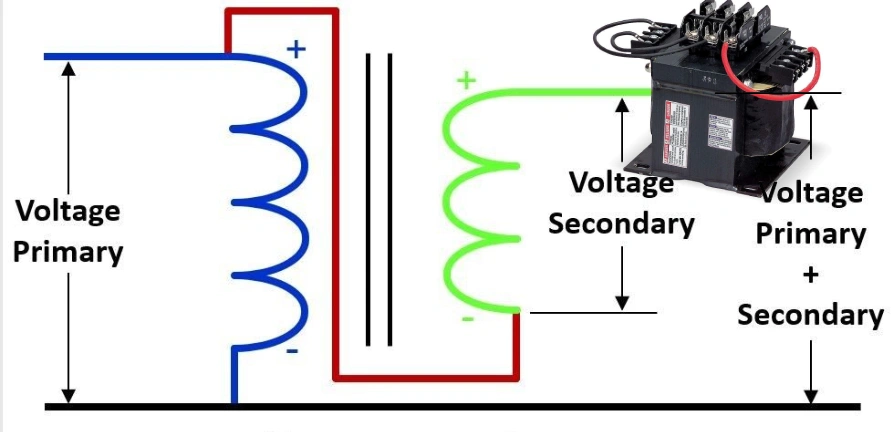
Power quality matters in every industrial setting. Clean power distribution means fewer interruptions and longer equipment life. You can use Linkwell’s control transformers and industrial control transformers to protect your equipment. These transformers keep voltage steady and filter out spikes. They help your power distribution stay reliable, even when loads change or motors start up.
Always check voltage levels during maintenance. If you see unusual readings, investigate right away. Good power distribution keeps your facility safe and efficient.
Overvoltage Protection and Monitoring
Overvoltage can damage your industrial equipment. You need strong protection in your power distribution system. Here are some ways to keep your power distribution safe:
- Test and calibrate motor protection devices often.
- Adjust settings for temperature and humidity changes.
- Monitor motor health with systems that track temperature, vibration, and current.
- Follow manufacturer guidelines for protective devices.
- Train your team on best practices for motor protection.
- Keep records of settings and procedures for troubleshooting.
Linkwell’s control transformers and industrial control transformers help shield your equipment from overvoltage. They provide stable power distribution and prevent spikes from reaching sensitive circuits. You get peace of mind knowing your power distribution system is protected.
Consistent monitoring and quick action help you avoid costly downtime. Reliable power distribution means safer operations and longer equipment life.
Linkwell Solutions for Industrial Voltage Standards
Step Down Transformers for US Voltages
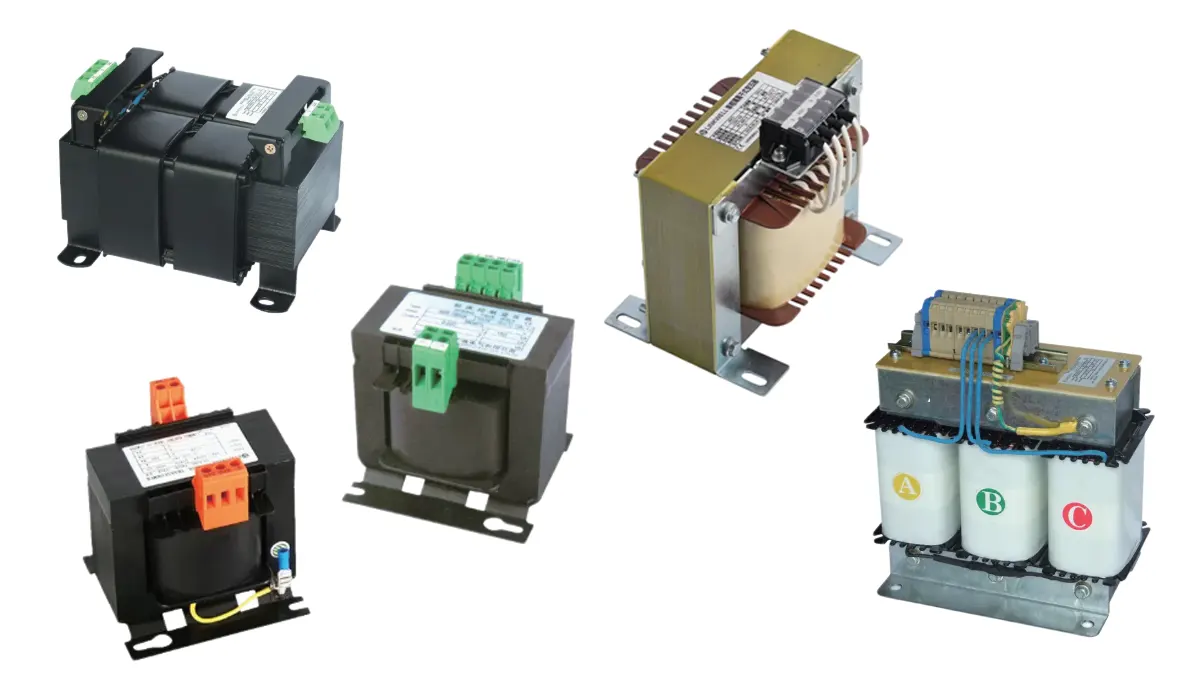
You want your industrial systems to run safely and efficiently. Linkwell’s step down transformer helps you do just that. This transformer takes higher voltage from your power supply and reduces it to a level your equipment can use. You see these transformers in control cabinets, telecom racks, and many industrial panels across the USA. They support common US voltage levels, so you never have to worry about compatibility.
Linkwell’s step down transformers come with certifications like UL, CE, and ISO9001. These certifications show you that the products meet strict standards for safety and performance. You can also request custom designs to fit your unique needs. Whether you need a specific voltage, frequency, or power rating, Linkwell can deliver a solution that matches your project.
Always check for certifications when choosing transformers for your industrial panels. Certified products help you pass inspections and keep your facility safe.
Control Transformers and Low Voltage Transformers
You need reliable power for your control circuits and sensitive devices. Linkwell’s control transformer and low voltage transformer give you stable, low-voltage power, which is essential for industrial environments. These transformers supply power to motors and panel boards, and they step down utility voltage for safe distribution throughout your building.
| Safety Feature | Description |
|---|---|
| Proper insulation | Prevents arc faults and keeps your system safe. |
| Enclosure protection | Shields against dust, moisture, and vibration for better reliability. |
| Protective features | Includes thermal sensors and overload protection for added safety. |
| Compliance with standards | Ensures safe installation and operation in line with US regulations. |
You get even more benefits:
- Stable power for control circuits
- Less noise and better start-up behavior
- Fewer problems from voltage dips or frequent starts and stops
Linkwell’s transformers meet US standards like ANSI/IEEE C57, UL, and NEMA. You can trust these products in your industrial panels and control cabinets. If you need a custom solution, Linkwell offers fast delivery and expert support to help you succeed.
Best Practices for Industrial Equipment Design
Selecting Voltage-Compatible Components
You want your industrial project to run smoothly, right? Start by picking components that match the voltage standards in the USA. If you choose the wrong voltage, you risk damaging your equipment or creating safety hazards. Here’s a simple checklist to help you select the right parts:
- Conduct a risk assessment before you begin. Identify hazards and plan controls.
- Always follow electrical codes and standards. This keeps your project safe and compliant.
- Choose equipment based on voltage ratings and current capacity. Look for built-in safety features.
- Make sure your team knows electrical safety procedures. Training prevents accidents.
- Install and maintain your equipment according to industry norms. Regular inspections catch problems early.
- Turn off power and use lockout/tagout before working on any system.
- Ground everything properly. Good grounding prevents shocks and protects your devices.
- Use personal protective equipment when needed.
- Schedule maintenance and calibration for all electrical equipment.
When you build control cabinets or panels, Linkwell’s terminal blocks and wiring ducts help you organize connections and reduce hazards. These accessories make maintenance easier and keep your system neat.
Matching voltage ratings and using certified components from Linkwell ensures your industrial setup stays safe and reliable.
Cooling, Wiring, and Safety Considerations
You know cooling matters. Cooling system failures cause almost 40% of premature power supply failures in industrial settings. If your cabinet gets too hot, your equipment may shut down or fail. You can prevent this by installing ventilation fans or cabinet air conditioners from Linkwell. These products keep temperatures stable and protect sensitive devices.
For wiring, follow NEC standards and organize wires with Linkwell’s wiring ducts. Proper wire management reduces hazards and makes maintenance simple. Always ground your system to prevent shocks and damage. Leave enough space around power wiring and heat-producing devices for ventilation.
- Maintain temperature control with ventilation fans or air conditioning.
- Organize wires to avoid clutter and improve safety.
- Allow clearance for airflow around hot spots.
Good cooling and wiring practices extend the life of your equipment and keep your industrial facility running smoothly.
Conclusion
You’ve learned how US voltage standards impact industrial projects. Choosing the right voltage ensures safety, prevents costly mistakes, and maintains code compliance.
We covered common US voltage levels, three-phase systems, service vs. utilization voltage, and tips for component selection, cooling, and wiring.
For reliable results, partner with certified suppliers. Linkwell offers UL-listed transformers and terminal blocks built for US standards—step-down, control, and low voltage options ready for your needs.
Train your team, maintain regularly, and choose certified components. Safe habits prevent downtime and protect your investment.
For up-to-date standards, check these resources:
| Resource/Organization | Description |
|---|---|
| Office of Electricity | Info on US power grid standards and innovation. |
| NIST | Standards and measurements for voltage. |
| Electric Power Sector Basics | Basics of the electric power sector and regulations. |
Partnering with trusted suppliers means better pricing, faster delivery, and fewer project delays. Choose wisely for your next installation.
FAQ
What is the most common voltage for industrial equipment in the USA?
You’ll see 480V three-phase used the most in industrial settings. This voltage works well for big machines and helps keep energy costs down.
Why do I need a step down transformer?
You need a step down transformer when your equipment requires a lower voltage than what your power supply gives. It keeps your devices safe and running smoothly.
How do I know if my equipment matches US voltage standards?
Check the label on your equipment. Look for voltage and frequency ratings. If you’re not sure, ask your supplier or an electrician before you connect anything.
Can I use the same transformer for all my machines?
No, you can’t. Each machine may need a different voltage or power rating. Always match the transformer to your machine’s requirements for safe industrial operation.
Where can I get help choosing the right transformer?
You can contact Linkwell’s support team. They’ll help you pick the best transformer for your project and answer your questions.