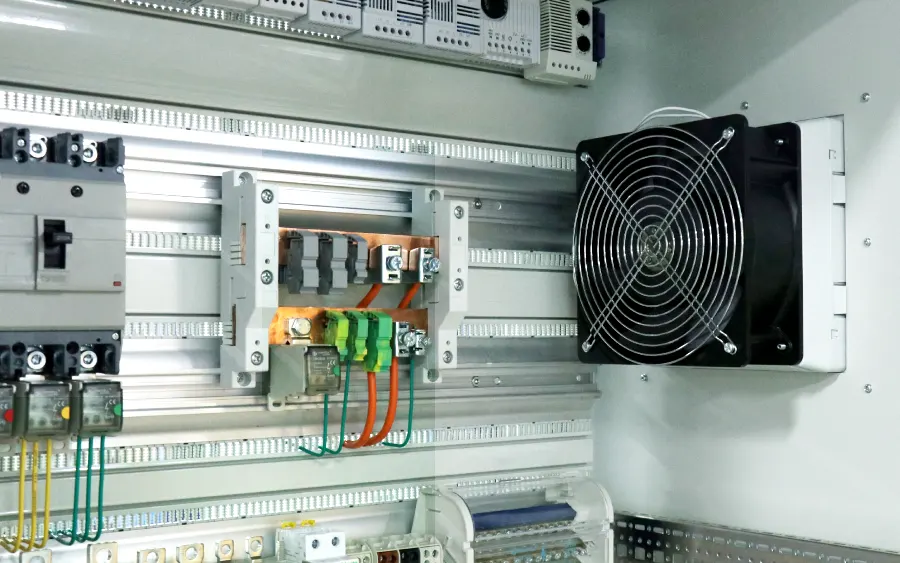
When you start Connecting Terminal Blocks, safety comes first. You want to use products that meet strict standards. Linkwell Screw Terminals and Terminal Block Connectors check all the boxes. They hold top certifications for electrical safety:
| Certification | Description |
|---|---|
| UL | Underwriters Laboratories certification for safety standards |
| CE | Conformité Européenne marking indicating compliance with EU safety standards |
| IEC | International Electrotechnical Commission standards for electrical safety |
Grab the right tools, prepare your wires, and follow the manufacturer’s instructions. With these steps, you’ll find the process simple and secure.
Key Takeaways
- Always prioritize safety by using certified products like Linkwell terminal blocks. This ensures compliance with safety standards and reduces risks.
- Prepare your wires properly by stripping insulation correctly and inspecting for damage. This step is crucial for secure connections.
- Follow a clear step-by-step process when connecting terminal blocks. Ensure wires are inserted fully and screws are tightened to prevent loose connections.
- Regularly maintain and inspect your terminal blocks to catch issues early. This practice helps prolong their lifespan and ensures reliable performance.
- Use the right tools and choose terminal blocks that match your project’s specifications. This choice simplifies wiring and enhances safety.
Understanding Terminal Blocks and Their Role
What Are Terminal Blocks?
You might wonder what a terminal block actually does. In electrical systems, a terminal block is a modular housing with an insulated body that secures two or more wires together. It has a current-carrying element, a clamping element, and a mounting arrangement. This setup keeps your wires organized and safely connected.
A terminal block acts as an accessory for electrical connections. You insert wires into holes and fasten them with screws. The metal section inside, sealed in insulating plastic, helps prevent accidental contact and keeps everything neat.
- Provides a semi-permanent wire connection
- Lets you remove, modify, or replace wires easily for inspection or repair
Terminal blocks use tough materials like polyamide for insulation. Contacts are usually brass or copper, so you get long-lasting performance and safety.
Why Use Terminal Blocks for Wiring?
Choosing terminal blocks for wiring gives you several benefits. Take a look at this table to see how they help:
| Function | Description |
|---|---|
| Enhanced Safety Features | Physical barrier between conductors reduces risk of accidental contact or short circuits. |
| Improved Electrical Connections | Secure, stable connections minimize signal interference or power loss. |
| Reduction in Wiring Complexity | Simplifies interconnections, making wiring diagrams less complex. |
| Clear Marking and Labeling | Easy identification and troubleshooting. |
| Reduction of Wiring Errors | Organized conductors minimize errors, boosting reliability. |
| Streamlined Troubleshooting | Quick identification and fixing of issues, reducing downtime. |
Terminal blocks make wiring easier than using wire nuts or soldering. You can connect and disconnect wires quickly. They work well for high-density setups and handle high current and voltage loads. You get reliable connections that last.
Linkwell Terminal Block Connector Features
Linkwell stands out as a trusted brand for terminal blocks and connectors. You get products that meet international safety standards like UL and CE. The housing is flame-retardant and rated UL94 V-0, so fire safety is built in.
Linkwell Terminal Block Connectors offer a double-layer design to save space and boost connectivity. You can choose from a variety of accessories, such as label strips, mark holders, and end stoppers. Customization is easy, letting you pick the type, size, and color that fits your project.
You also benefit from RoHS and REACH compliance, which means safe materials are used in manufacturing. Linkwell’s connectors are tested for durability and reliability, so you can trust them in any industrial or residential setup.
Tip: Always choose certified products like Linkwell to ensure safety and reliability in your wiring projects.
Preparing to Connect Wires
Selecting the Right Tools and Products
Before you start, you need the right tools and products for the job. Linkwell Screw Terminal and Terminal Block Connector make a great choice for safe and reliable connections. These products work well in control cabinets, electrical enclosures, and telecom boxes. You want to match your tools and connectors to your project’s needs.
Here’s a quick table to help you pick the right screwdriver for terminal blocks:
| Specification | Details |
|---|---|
| Tip Type | Cabinet |
| Tip Size | 1/8” (3.2 mm) |
| Shank Length | 4” (10.2 cm) |
| Material | Steel |
| Insulated | No |
| Overall Length | 7.75” (19.7 cm) |
| Weight | 2.4 oz (68 g) |
When you select a terminal block, think about these criteria:
- Check the current rating to prevent overheating.
- Pick a voltage rating higher than your system voltage.
- Decide how many circuits you need.
- Look at the pitch for compatibility.
- Match the wire size and type to the terminal block.
- Choose the wire entry orientation that fits your setup.
Tip: Always use certified products like Linkwell for peace of mind and long-lasting performance.
Wire Stripping and Inspection
You want to prepare your wires before you connect them. Use a wire stripper to remove just enough insulation. The stripped length should match the depth of the terminal block’s clamp. Make sure you don’t nick or damage the conductor strands. Twist the wire and bend it back on itself so it fills the screw terminal. Never let bare wire stick out beyond the terminal. Also, check that no insulation gets caught under the clamp.
Take a moment to inspect your wires. Look for any signs of damage, like frayed ends or discoloration. If you see flickering lights, frequent breaker trips, or a burning smell, stop and check your wiring. Hot or sparking outlets mean you need to fix the problem before you connect wires.
Safety Precautions Before Connecting
Safety should always come first. Plan your work and know what to do in an emergency. Wear protective gear, like gloves and safety glasses. Check your equipment and workspace for hazards. Test all connections before you finish. If you’re not sure, call a professional electrician. Keep your area tidy and dispose of old cables properly. These steps help you avoid accidents and keep your wiring safe.
Connecting Terminal Blocks Step-by-Step
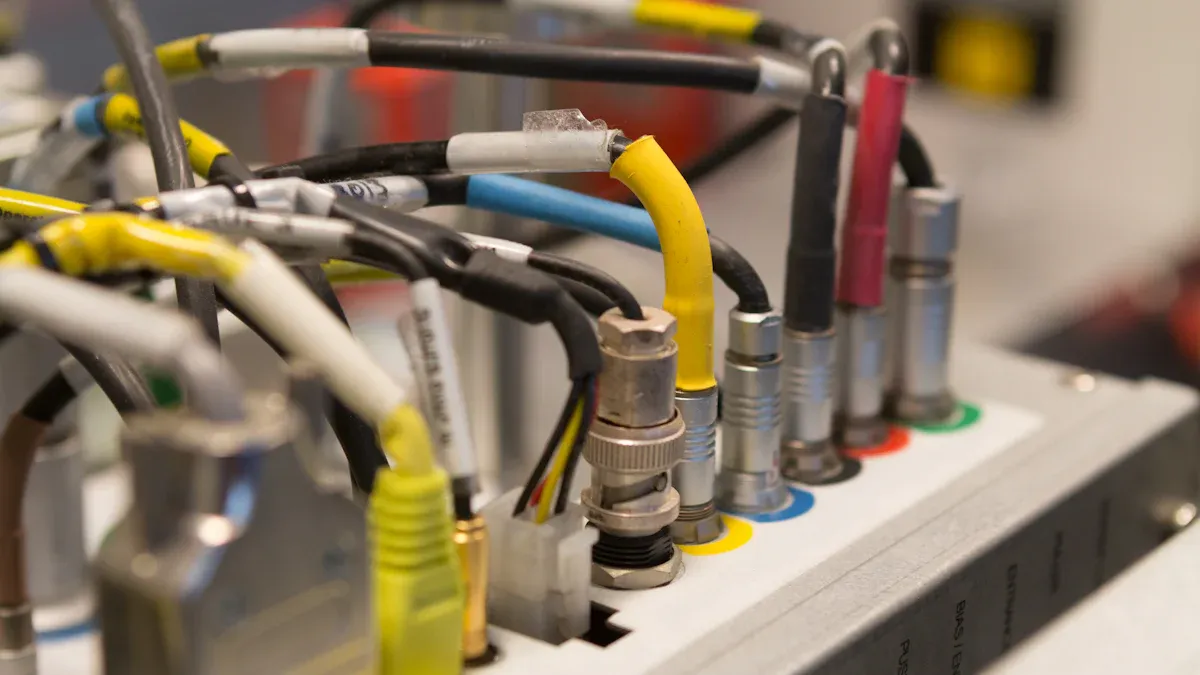
Inserting and Securing Wires
Ready to get hands-on? Connecting terminal blocks starts with a few simple steps. You want to make sure every wire sits tight and safe. Here’s a clear process you can follow:
- Gather your materials. You need a terminal block, wires, a small screwdriver, and your project parts.
- Pick the right terminal block for your job. Check the current and voltage ratings so nothing overheats.
- Prepare your wires. Strip about a quarter inch of insulation from each end. Twist the strands so they stay together.
- Insert the wire into the terminal block. For screw terminals, loosen the screw first. Slide the wire in so the bare part fits under the clamp.
- Tighten the screw. Use a screwdriver and make sure the wire feels secure. Don’t let any bare wire stick out.
- Mount the terminal block in your enclosure or on your panel.
- Test your connections. Power up your circuit and check if everything works as expected.
Tip: Always double-check that the wire sits fully inside the terminal block. A loose wire can cause trouble later.
Common mistakes can happen when connecting terminal blocks. Here’s a quick table to help you avoid them:
| Common Mistakes | Description |
|---|---|
| Poor contact | Not making a solid connection at the contact point. |
| Poor insulation | Leaving gaps that could cause short circuits. |
| Poor fixation | Not tightening enough, risking wires coming loose. |
| Wrong connector size | Using a block that doesn’t fit your wire. |
| Skipping wire preparation | Forgetting to strip or twist wires before connecting. |
| Over-crimping | Squeezing too hard and damaging the wire. |
| Under-crimping | Not squeezing enough, leaving a weak connection. |
| Ignoring environment | Not thinking about heat, cold, or moisture. |
| Poor storage | Keeping wires or blocks in bad conditions, causing damage. |
Using Linkwell Screw Terminals
If you want a reliable connection, Linkwell Screw Terminals make the job easy. You get a safe, secure setup every time. Here’s how you use them:
- Turn off all power in your work area. Safety comes first.
- Strip the wire so you see some bare metal. Make sure the exposed part matches the terminal’s clamp size.
- Insert the wire into the terminal opening. The bare part should sit right under the screw.
- Use a screwdriver to tighten the screw. The wire should feel snug, not loose.
- Use a torque tool if you have one. Follow the manufacturer’s torque value so you don’t over-tighten or under-tighten.
- Give the wire a gentle tug. If it stays put, you did it right.
- For extra safety, you can add heat shrink tubing or sealing grease.
Note: Over-tightening can crack the terminal block or strip the screw. Under-tightening can cause loose wires, arcing, or even fires. Always follow the recommended torque value from Linkwell.
You want to keep your terminal blocks dry and use rust-resistant materials. If you work outdoors, pick waterproof and UV-resistant blocks. Linkwell offers options that fit these needs.
Checking Connection Quality
After connecting terminal blocks, you need to make sure everything works perfectly. Here’s how you check your work:
- Do a visual inspection. Look for loose screws, damaged wires, or any signs of corrosion.
- Test for continuity. Use a multimeter to see if electricity flows through the connection.
- Measure voltage across the terminal block. Make sure it matches what you expect.
- Check resistance. Low resistance means a good connection. High resistance can cause overheating.
- Pull gently on each wire. If it stays secure, your connection is solid.
Tip: Use a multimeter or continuity tester. These tools help you spot problems fast without messing up your wiring.
You can also use connector block accessories for easier testing and maintenance. Quick testing lets you fix issues before they become big problems. Regular checks help your system last longer and work safely.
Connecting terminal blocks the right way keeps your wiring safe and reliable. You avoid common mistakes and get the most out of your Linkwell products.
Troubleshooting and Maintenance
Identifying Common Issues
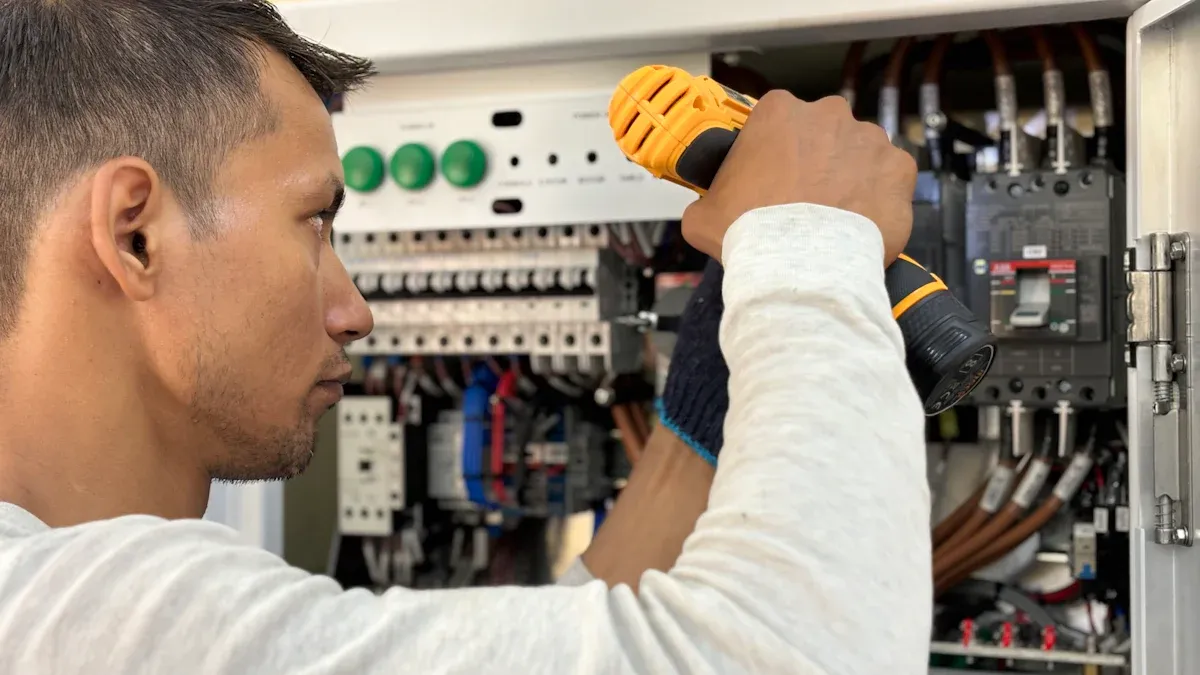
You might run into a few problems with terminal blocks, even when you use high-quality Linkwell products. Spotting these issues early can save you time and keep your wiring safe. Here are some common troublemakers you should watch for:
- Corroded terminals—moisture can sneak in and cause rust, which leads to poor connections.
- Inadequate wire size—using wires that are too small or too big can cause overheating or weak performance.
- Overloading—pushing too much current through a terminal block can melt insulation and create fire risks.
- Electrical arcing—loose connections can spark and damage your equipment.
- Loose connections—vibrations or not tightening screws enough can make wires slip out.
- Overheating—using the wrong size block or poor ventilation can make things too hot.
- Poor wire insertion—if you don’t insert wires all the way, you might get weak connections or short circuits.
Tip: Always check your connections after installation. A quick look can help you catch problems before they get serious.
Fixing Loose or Broken Wires
Loose or broken wires can cause headaches, but you can fix them with a few simple steps. Here’s a handy table to guide you:
| Step | What to Do |
|---|---|
| 1 | Use strong screws or machine screws with nuts and shims for solid contact. |
| 2 | Replace any loose terminal blocks right away. |
| 3 | Use the right tools to tighten or loosen screws—don’t force them. |
| 4 | Check for rust, dirt, or damage on a regular basis. |
| 5 | Measure resistance to spot short circuits and test for good conduction. |
| 6 | Make sure insulation is in good shape to prevent failures. |
| 7 | Keep dust, flux, and moisture away from your connectors. |
If you notice a wire feels loose, turn off the power and fix it right away. Don’t wait—loose wires can cause sparks or even fires.
Maintaining Terminal Blocks
You want your Linkwell terminal blocks to last for years. Regular maintenance keeps everything running smoothly. Here are some best practices:
| Best Practice | Why It Matters |
|---|---|
| Regular Inspections | Catch wear, rust, or corrosion before they cause trouble. |
| Cleaning | Use contact spray to remove dirt and stop rust from forming. |
| Gentle Handling | Insert and remove wires slowly to avoid damaging connectors. |
| Proper Storage | Store blocks in dry, sealed bags to keep out moisture. |
| Environmental Protection | Use special coatings to protect connectors from water and corrosion. |
Note: A little maintenance goes a long way. Set a reminder to check your terminal blocks every few months. This habit helps you avoid unexpected breakdowns and keeps your wiring safe.
You want safe, reliable wiring every time. Always use certified products like Linkwell connectors. Double-check each connection and follow these safety tips:
| Safety Tip | Description |
|---|---|
| Use approved products | Pick connectors that meet strict standards. |
| Select correct conductors | Match wire size to current load. |
| Check insulation | Test resistance and inspect for damage. |
Linkwell terminal blocks help keep wires organized and prevent fraying. Regularly inspect connections, clean contact surfaces, and monitor for overheating. You get peace of mind and long-lasting performance.
FAQ
What are terminal blocks used for?
You use terminal blocks to connect, organize, and secure wires in electrical panels. They help you keep wiring neat and safe. You find terminal blocks in control cabinets, machines, and even home automation setups.
How do I choose the right terminal blocks for my project?
You want to match the current and voltage ratings of terminal blocks to your system. Check the wire size and type. Look for certifications like UL or CE. If you need more circuits, pick modular terminal blocks for easy expansion.
Can I reuse terminal blocks after disconnecting wires?
Yes, you can reuse terminal blocks many times. Just loosen the screw, remove the wire, and insert a new one. Terminal blocks from Linkwell last for thousands of cycles. Always check for damage before reusing terminal blocks.
Are terminal blocks safe for outdoor use?
Some terminal blocks are made for outdoor use. Look for UV-resistant and waterproof terminal blocks. Linkwell offers terminal blocks with corrosion-resistant materials. Always check the product specs to make sure your terminal blocks fit your environment.
How do I maintain terminal blocks for long life?
You should inspect terminal blocks every few months. Clean off dust and moisture. Tighten screws if needed. Replace any damaged terminal blocks right away. Regular checks keep your terminal blocks working safely and help prevent electrical problems.